

When most people think about HPV, they think about the virus itself.
But researchers are increasingly asking a bigger question:
What role does the surrounding microbial environment play?
Over the past decade, scientists studying cervical health have started paying closer attention to the cervicovaginal microbiome – the community of bacteria that lives in the vaginal ecosystem.
What they’re finding is fascinating.
While HPV infection is common and often clears naturally, the composition of the vaginal microbiome may influence how the immune system interacts with the virus and whether infections persist over time.
Let’s walk through what the research is showing so far.
A healthy vaginal microbiome is typically dominated by Lactobacillus species.
These bacteria play several important roles:
Lactobacillus-dominant microbiomes – particularly those dominated by Lactobacillus crispatus – are widely considered the most stable and protective microbial states in the vaginal environment [1].
These bacteria produce high amounts of lactic acid and antimicrobial peptides that help maintain the vaginal mucosa and limit colonization by opportunistic organisms [1].
When this balance shifts, however, the microbial environment can look very different.
Instead of Lactobacillus dominance, researchers sometimes see higher microbial diversity with increased anaerobic bacteria, including organisms such as:
This shift is commonly referred to as vaginal dysbiosis.
And this is where HPV research becomes especially interesting.
Multiple sequencing studies have found that women with HPV infections often show different microbiome patterns compared to HPV-negative individuals.
Specifically, researchers frequently observe:
Large sequencing studies using 16S rRNA analysis consistently report that HPV-positive cervicovaginal microbiomes contain fewer Lactobacillus species and more diverse microbial communities [2].
This higher microbial diversity appears repeatedly in the literature and is often linked to a shift toward bacteria such as Gardnerella, Prevotella, and Sneathia [4].
In one analysis examining women with high-risk HPV infections, persistent infections and high-grade lesions were associated with increased Prevotella and Gardnerella alongside reduced Lactobacillus levels [4].
These findings don’t necessarily mean the microbiome causes HPV infection.
But they suggest the microbial environment may influence how the infection behaves.
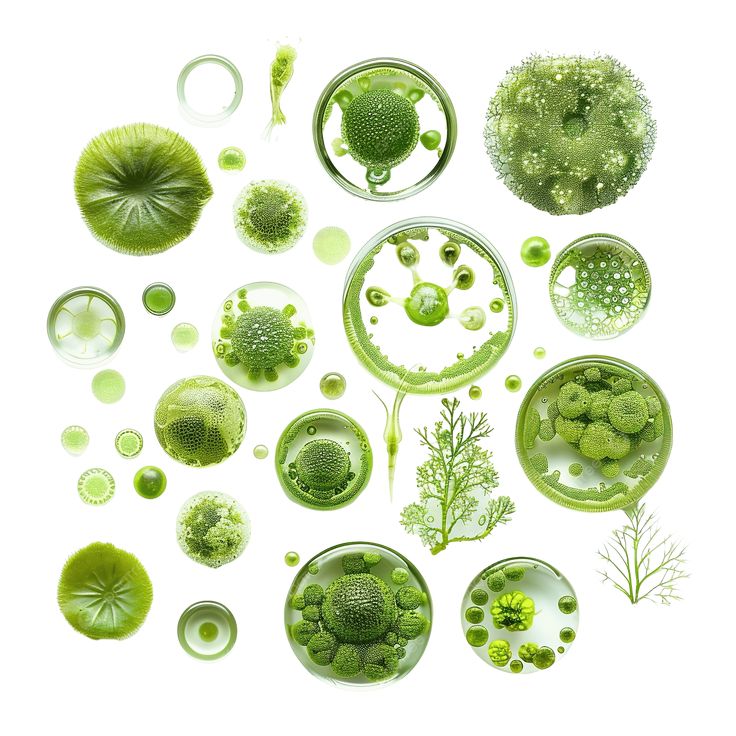
One of the most consistent findings across microbiome studies is that higher microbial diversity tends to correlate with HPV persistence.
In a longitudinal study analyzing cervicovaginal microbiomes in women with high-risk HPV, researchers identified Gardnerella as a key microbial marker associated with increased risk of progression to CIN2+ lesions [3].
Interestingly, the study suggested Gardnerella may not directly drive disease progression itself. Instead, it may contribute to a more diverse microbial environment, which then alters the cervicovaginal ecosystem in ways that allow HPV persistence [3].
Researchers suspect several mechanisms could explain this relationship.
These include:
When these changes occur together, the cervicovaginal environment may become more permissive to persistent viral infections.
But the story does not stop there.
Another fascinating question researchers are exploring is whether HPV itself can change the microbial environment.
Emerging work suggests the relationship may actually go both ways.
In laboratory and tissue studies, HPV infection has been shown to alter the expression of innate antimicrobial peptides produced by cervical epithelial cells [2].
These peptides normally help regulate microbial balance.
When HPV down-regulates these peptides, the vaginal environment may become less favorable for Lactobacillus species and more permissive for other bacteria [2].
This means HPV infection could potentially contribute to microbial imbalance, which then further influences viral persistence.
In other words, the virus and the microbiome may interact in a two-way feedback loop.
Another nuance researchers are beginning to appreciate is that not all Lactobacillus species behave the same way.
For example:
Lactobacillus crispatus
Meanwhile, another species – Lactobacillus iners – appears much more adaptable.
L. iners is commonly found in microbiomes associated with cervical disease and may be more likely to coexist with anaerobic bacteria that characterize dysbiosis [1].
Because of this, microbiomes dominated by L. iners often transition more easily toward dysbiotic states, whereas L. crispatus-dominant ecosystems appear more resilient [1].
This subtle distinction is becoming an important focus of microbiome research.
Taken together, current research suggests that HPV infection does not occur in isolation.
Instead, it exists within a complex microbial and immune environment.
Scientists now believe the cervicovaginal microbiome may influence several processes relevant to cervical health:
Changes in microbial composition can influence vaginal pH, inflammatory mediators, and immune activation, all of which may affect how the body responds to viral infections [2].
At the same time, HPV itself may alter epithelial immune defenses in ways that reshape the microbial ecosystem.
This growing body of research is helping scientists better understand why HPV infections behave differently between individuals.
It’s important to remember that HPV infections are extremely common.
In many cases, the immune system clears the virus naturally within one to two years.
But researchers are increasingly recognizing that the vaginal microbiome may be one of several factors that influence this process.
This doesn’t mean the microbiome alone determines outcomes.
HPV persistence is influenced by many factors, including:
However, understanding the microbial environment surrounding the cervix may help researchers better understand why infections persist in some individuals while clearing in others.
As microbiome science continues to evolve, it may open new doors for supporting vaginal and cervical health in more targeted ways.
The relationship between HPV and the vaginal microbiome is an emerging area of research – but several patterns are becoming clear.
Studies to date suggest that:
The cervicovaginal microbiome is not just a passive environment.
It’s an active participant in the complex ecosystem of cervical health.
And researchers are only beginning to understand how these microbial communities interact with viral infections like HPV.
Huang, Roujie, et al. ‘Cervicovaginal Microbiome, High-Risk HPV Infection and Cervical Cancer: Mechanisms and Therapeutic Potential’. Microbiological Research, vol. 287, Oct. 2024, p. 127857. DOI.org (Crossref), https://doi.org/10.1016/j.micres.2024.127857.


Photodynamic therapy is a treatment typically used in the treatment of acne, warts, and a range of cancers, including mouth (oral), head and neck, lung,

The HPV Infection: Do I Have It? But…I’ve never noticed any symptoms so I couldn’t have gotten an HPV infection? Most strains of HPV are low-risk strains that
Are you worried about HPV? Are you unclear as to what exactly HPV is? We at Papillex understand your concerns. HPV can be scary! That’s

Human beings are naturally programmed to eat foods that are healing and beneficial for our bodies. However, we all know that it isn’t always easy
Check out our shop to see what's available
Easy Delivery. Effortless Wellness.
Subscribe for:
By signing up for a Wellex subscription, you authorize use of the credit card you have on file and shipping at the frequency you have selected. Rest assured you can change or cancel at any time.