Interstitial Cystitis (IC) can feel like an unpredictable storm. For many women, it begins with subtle warnings – urgency, discomfort, maybe a little bloat, and then, seemingly out of nowhere, the clouds break. Suddenly you’re navigating a full-blown flare that hijacks your bladder, your plans, your sense of control.
But what if you could read the weather patterns better? What if the tools to prevent IC flares weren’t just reactive but rooted in proactive, whole-body care?
This article, written by a leading ND with a personal and professional connection to IC, outlines the top five evidence-informed strategies that women with IC – and those with mild overactive bladder (OAB) – can use to help reduce flares, support bladder lining integrity, and reclaim quality of life.
1. Avoiding Food & Beverage Triggers
Think of your bladder like a highly sensitive guest at the dinner table -some things it tolerates, others send it storming out.
Common dietary irritants include:
- Alcohol (especially wine)
- Spicy foods
- Coffee and caffeine
- Citrus fruits and juices
- Artificial sweeteners
- Carbonated drinks
- Vinegar or fermented foods
While everyone’s bladder is unique, many people benefit from tracking symptoms with a food journal or trying an elimination diet with the guidance of a practitioner.
Pro tip: Even “healthy” items like kombucha or lemon water can be problematic due to their acidity. Look for bladder-friendly substitutions and test slowly.
2. Daily Bowel Movements & Gut Health
It’s easy to forget how intimately connected the gut and bladder are –
until you experience the domino effect of constipation. A backed-up colon can create pressure on the bladder wall, increasing urgency, frequency, and inflammation.
Here’s what helps:
- Soluble fiber (chia seeds, oats, flax, cooked vegetables)
- Magnesium glycinate (also known for its calming effect on the bladder)
- Ample hydration and movement
Healthy bowel function also supports detoxification pathways and immune resilience, which may reduce flare frequency.
3. Nervous System Regulation
Stress doesn’t just live in your mind—it echoes in your pelvic floor, bladder nerves, and inflammation levels. IC is often described as a condition with nervous system involvement, especially in those with a history of trauma or chronic tension.
Practices like:
- Diaphragmatic breathing
- Vagus nerve stimulation (e.g., humming, gargling, cold face splashes)
- Mindfulness or somatic tracking
- Gentle yoga or body scans
…can help shift the body out of fight-or-flight and into rest-and-repair mode. This isn’t about being “less stressed” but retraining the body to feel safe again.

4. Pelvic Floor Health
Your bladder doesn’t work in isolation – it’s part of a complex pelvic orchestra. And sometimes, the muscles surrounding it become tense or dysregulated, contributing to IC symptoms. If you experience burning, heaviness, or pain during/after urination or intercourse, pelvic floor dysfunction could be playing a role.
Supportive strategies include:
- Pelvic floor physical therapy
- Internal or external myofascial release
- Self-massage tools (with professional guidance)
- Avoiding extended sitting or tight clothing
Imagine your bladder like a violinist. If the muscles around it (your pelvic floor) are out of tune, the music (your urinary function) is chaotic. Tuning the muscles restores harmony.
5. Hydration & Urine pH
Many IC flares start with something as simple as dehydration. Concentrated urine can be more acidic, irritating the bladder lining – especially in people with Hunner’s lesions or sensitive mucosa.
Hydration tips:
- Sip water throughout the day; aim for pale yellow urine (like lemonade)
- Avoid over-hydration (clear urine can signal electrolyte imbalance)
- Herbal teas like marshmallow root or corn silk may help coat the bladder lining
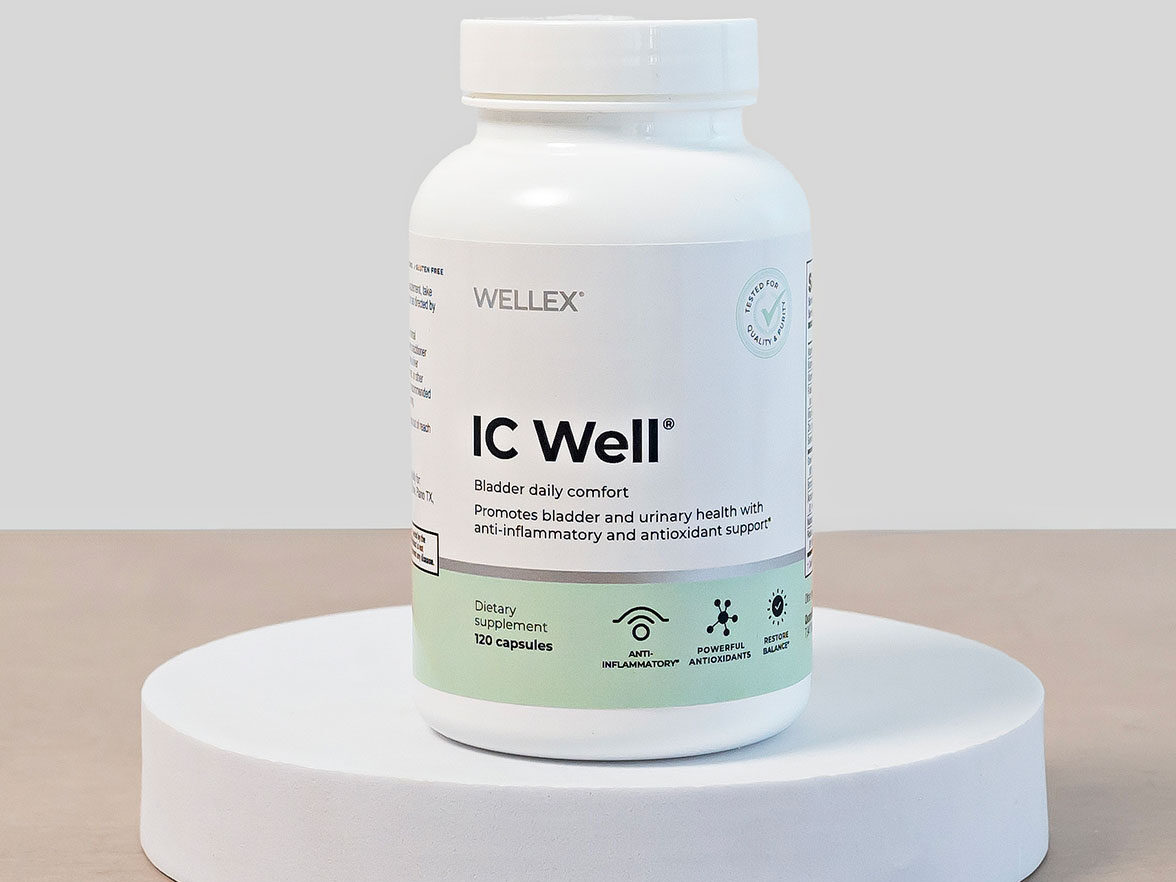
L-citrulline, quercetin, and aloe vera extract are nutrients and botanicals often included in bladder health formulations to support lining repair and reduce inflammation. These are found in the IC Well supplement, developed with input from doctors and practitioners who specialize in IC. (Note: always consult a healthcare professional to determine if specific supplements are right for you.)
A Few Common Missteps to Watch For:
- “Natural” doesn’t always mean safe. Some herbs and essential oils can irritate sensitive bladders.
- Don’t skip testing. Always rule out a UTI before assuming symptoms are an IC flare.
- The low-acid diet isn’t one-size-fits-all. Personal tracking often reveals unique triggers.
Final Thoughts:
As a Naturopathic Doctor who has supported women with IC for over a decade – including my own mother, who struggled for most of her adult life – I know how disempowering chronic pelvic conditions can feel. But I also know this: education, personalization, and small, daily shifts can change the trajectory of your symptoms and your sense of control.
IC Well was developed with these principles in mind: to support the body gently and clinically in its path to balance. You can learn more about its formulation here.
Here’s to bladder calm and empowered care.