
If you’ve been searching for HPV immune support, you’ve probably seen quick fixes and long supplement lists. Here’s the truth: when it comes to helping your body respond to HPV, the foundations of health often make the biggest difference.
This guide breaks down four essentials many women 20–40 overlook: stress and cortisol regulation, gut health, estrogen metabolism and liver support, and micronutrients like zinc, folate, vitamin D, and indole-3-carbinol. You’ll find clear, evidence-informed steps you can start today.
Quick takeaway: Start with one foundation this week. Consistency beats intensity.
1) Stress & Cortisol: why calm is powerful for HPV
Chronic stress isn’t just a feeling. It’s a hormonal state with real immune consequences. Elevated cortisol over time can blunt T-cell communication and surveillance, the same pathways your body uses to identify and clear abnormal cells .
That doesn’t mean stress is “bad.” It means your stress response needs rhythm.
Signals your stress response needs support
- Waking at 3–4 a.m., wired yet tired
- Afternoon energy crashes
- Sugar or caffeine dependence
- Irritability or brain fog
Low-lift practices to regulate cortisol
- Sleep first: 7–9 hours with a consistent wake time
- 5-minute breathing: 4–6 breaths per minute, twice daily
- Morning light to anchor circadian rhythm
- Exercise with intent: mix strength training with zone 2 walks
- Boundaries: nightly screen break
Pro tip: Pick one “anchor habit” you can repeat daily, even on busy days.

2) Gut health: your immune headquarters
Roughly 70% of your immune cells live in the gut-associated lymphoid tissue (GALT) . When your microbiome is diverse and balanced, it communicates safety to the immune system. When there’s dysbiosis, inflammation can rise and immune responses weaken .
Everyday gut-support wins
- Fiber diversity goal: 20–30 plant foods per week
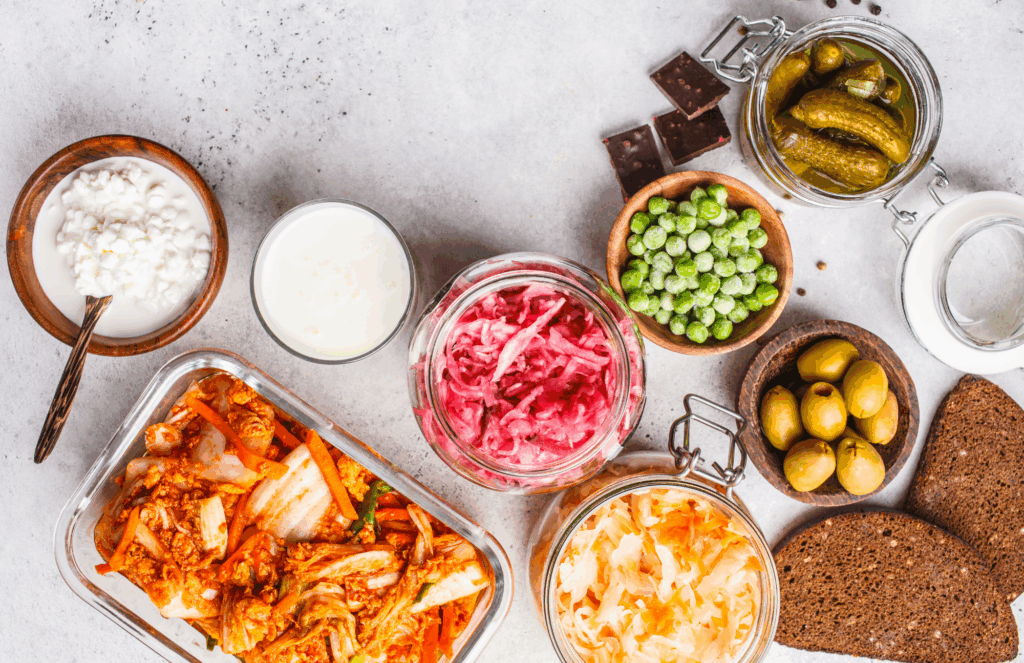
- Fermented foods: kimchi, kefir, sauerkraut
- Color rule: the deeper the color, the deeper the phytonutrients
- Limit sugar: cut back on ultra-processed snacks
Signs your gut could use attention
- Bloating or irregularity
- Recurring yeast or urinary issues
- Fatigue after meals
Consistency matters more than any single probiotic. Food patterns are the microbiome’s daily language.
3) Estrogen metabolism and liver function: support the clearance pathways
Inflammation can impair normal liver function, which is central to metabolizing hormones. For many women, supporting estrogen detox is less about “detoxing” and more about supplying nutrients for Phase I and Phase II metabolism.
Nutrients and foods to know
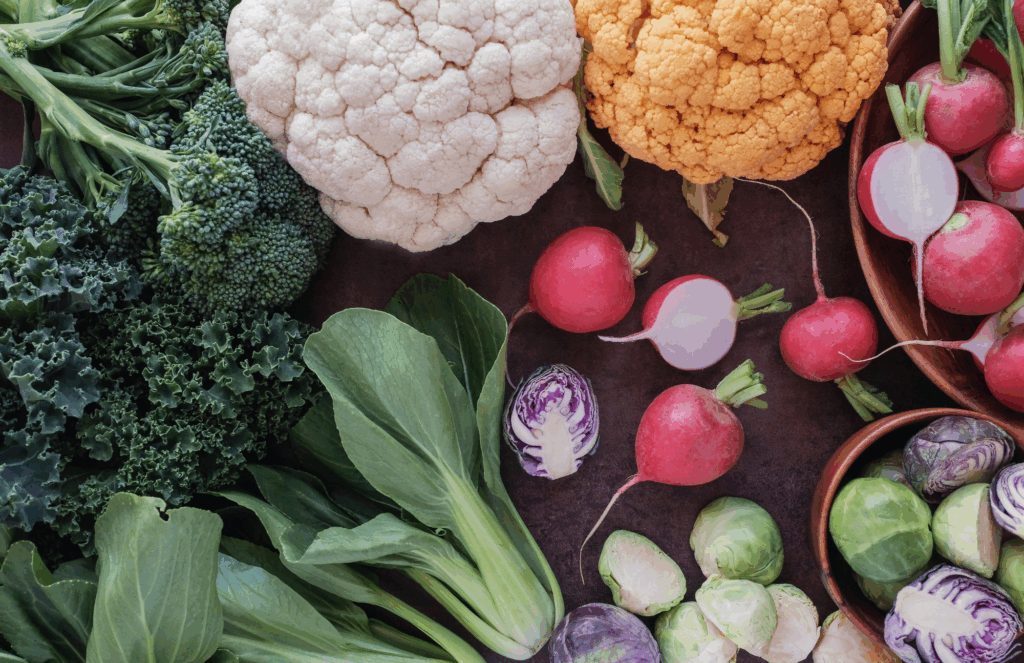
- Cruciferous vegetables: broccoli, kale, cabbage, Brussels sprouts
- Indole-3-carbinol (I3C): derived from crucifers, supports estrogen metabolism
- Sulforaphane: from broccoli sprouts, protects cells from oxidative stress
- Protein: amino acids are required for conjugation pathways
Lifestyle supports
- Stay hydrated and support regular bowel movements
- Moderate alcohol
- Daily movement and circulation
4) Micronutrients that quietly move the needle
Deficiencies are common and subtle. Four standouts for HPV immune support:
Zinc
- Supports DNA repair and immune signaling
- Sources: oysters, pumpkin seeds, legumes
Folate
- Supports healthy cervical cell turnover
- Sources: leafy greens, citrus, legumes
Vitamin D
- Modulates innate and adaptive immune activity
- Often low in young women in northern regions
Indole-3-carbinol (I3C)
- From cruciferous veg, aids estrogen metabolism+ immune balance
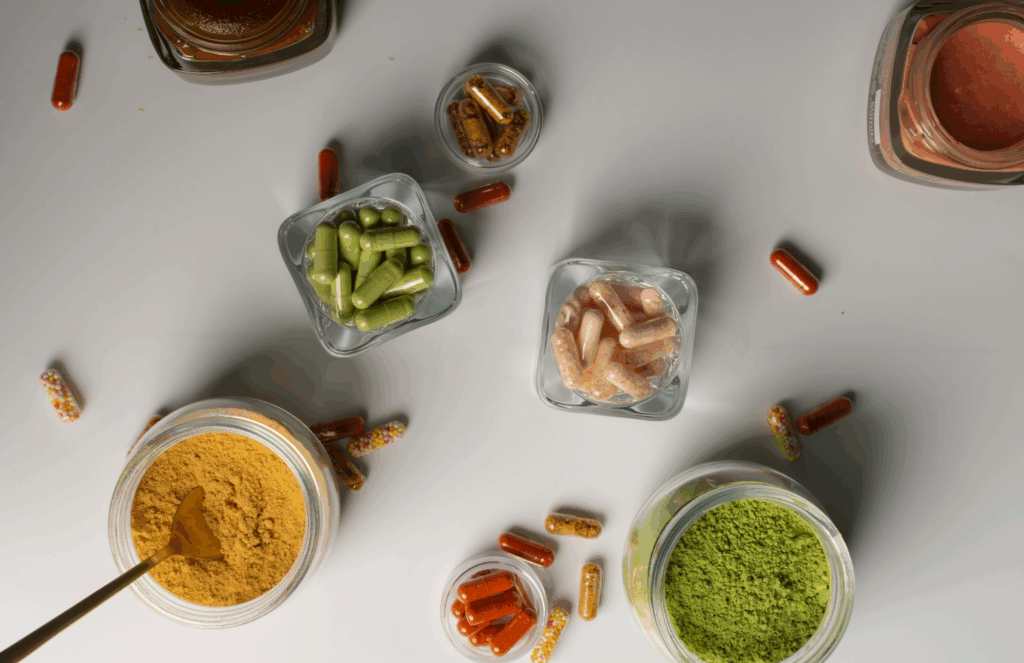
Food first. Supplement when diet or labs suggest a gap.
FAQs: HPV immune support, foundations, and next steps
Q1. How long until these foundations make a difference?
Most people feel changes in energy and digestion within 3–6 weeks. Immune changes may take 8–12 weeks.
Q2. Do I need supplements if I eat well?
Food first. Vitamin D, zinc, and folate are common gaps, especially for women in northern climates .
Q3. Can I do all four foundations at once?
You can, but you don’t have to. Start with the one that feels most doable.
Q4. Are there foods to avoid?
Ultra-processed foods and excess alcohol impair gut and liver function.
Q5. What if I’m on medication?
Always consult your clinician before adding supplements.
Bottom line
When you think HPV immune support, think foundations first. Regulate cortisol, feed your microbiome, support estrogen metabolism, and cover your micronutrient bases.
These small, repeatable choices build the internal environment your immune system needs to do its job.
CTA: Want practical, evidence-informed wellness each week? Join The Exhale for expert tips. Explore Papillex®, Simplix®, and Endo Well for targeted support.
References
- Pawelec G. Immunosenescence and immune response to HPV. Vaccine. 2018;36(19): 2711–2717. PMID: 29503293
- Glaser R, Kiecolt-Glaser JK. Stress-induced immune dysfunction: implications for health. Nat Rev Immunol. 2005;5(3):243–251. PMID: 15738954
- NIH Human Microbiome Project: https://commonfund.nih.gov/hmp
- Belkaid Y, Hand TW. Role of the microbiota in immunity and inflammation. Cell. 2014;157(1):121–141. PMID: 24679531
- Safe S, et al. Indole-3-carbinol and cancer prevention. J Nutr. 2011;141(1):12–16. PMID: 21106930
- Zhang Y, et al. A major inducer of anticarcinogenic protective enzymes. Proc Natl Acad Sci USA. 1992;89(6):2399–2403. PMID: 1549603
- NIH Zinc Fact Sheet: https://ods.od.nih.gov/factsheets/Zinc-Consumer
- Flatley JE, et al. Folate and cervical neoplasia. Cancer Epidemiol Biomarkers Prev. 2009;18(4):1102–1109. PMID: 19336558
- NIH Vitamin D Fact Sheet: https://ods.od.nih.gov/factsheets/VitaminD-Consumer