If Intercourse Feels Off, It Could Be Inflammation – Not You

Table of Contents

Q&A on Pain, Pleasure, and the Inflammation Connection in IC, Endometriosis, and PCOS

Is it normal that sex has started to feel uncomfortable – or even painful?
It’s common, but not something you have to “push through.” Many women experience changes in comfort, lubrication, or pain with penetration or deep thrusting at some point in their lives. While many factors can contribute, emerging research suggests that inflammatory balance may play a role. When inflammation persists, it may be associated with changes in nerve sensitivity, circulation, or tissue repair — factors that can affect comfort. Understanding this connection is the first step toward relief and reconnection with pleasure.

What do you actually mean by inflammatory imabalance – and how can it affect sexual comfort?
Inflammation is a normal immune response that can help us heal from sickness. Challenges can arise when low-grade inflammation persists over time. In the pelvis, that can look like:

  • Heightened pain signaling and nerve sensitivity, which can amplify discomfort with touch or penetration
  • Tissue irritation, which may affect the vaginal vestibule, bladder, or surrounding pelvic structures
  • Changes to local circulation and muscle tone, which may contribute to tension and guarding

Some research suggests there may be a feedback loop where discomfort and inflammation reinforce one another. Breaking that loop usually requires a multi-pronged plan (more on that below).

Person lying on a dark bed covered with a beige towel, evoking rest, relaxation, and post-shower calm in a cozy setting.

How are IC, Endometriosis, and PCOS part of the same story?
They’re distinct conditions – and you should always work with a clinician for diagnosis and care – but each condition has been studied for potential links between inflammation and changes in pelvic or sexual comfort.

  • Interstitial cystitis/bladder pain syndrome (IC/BPS): Characterized by bladder-centered pain, urgency, and frequency; dyspareunia is common due to pelvic floor tension and bladder irritation. Care guidelines emphasize stepwise, multimodal support.
  • Endometriosis: Inflammation is thought to play a role in the biological processes underlying endometriosis and related pelvic discomfort.

PCOS: Beyond hormones and metabolism, PCOS is associated with low-grade systemic inflammation that may influence ovarian function, body composition, and even sexual wellbeing via indirect pathways (mood, energy, lubrication).

Different conditions, shared theme: inflammation can disrupt comfort and pleasure pathways.

What symptoms suggest inflammation might be part of the picture?
Everyone’s experience is unique, but red flags that warrant a chat with your practitioner include:

  • Pain with penetration or deep thrusting
  • Burning, rawness, or “paper-cut” sensations at the vaginal opening
  • Bladder pressure, urgency, or pain that flares with intercourse
  • Pelvic floor tension, a feeling of “guarding,” or post-coital aching
  • Cycle-linked flares (Endo), urinary flares (IC), or whole-body “inflamed” days (PCOS)

These can overlap with vulvodynia/vestibulodynia (localized pain at the vestibule), which often has an immune-inflammatory component and benefits from tailored care.

Besides biology, how does this affect the mind – and relationships?
Pain changes behavior. When sex hurts, our brains naturally anticipate danger, which ramps up tension, cortisol, and – you guessed it – pro-inflammatory signaling. That loop can shrink desire and make pain more likely next time. Normalizing your experience, involving your partner in the plan, and addressing both physical and nervous-system factors can help you move back toward safety and pleasure.

Where should I start if I suspect inflammation is involved?
Think layers, not a single fix. Consider this framework with your clinician:

  1. Medical assessment and pelvic-floor care
  • Get evaluated for endometriosis, IC/BPS, infections, dermatologic conditions, hormone status, and pelvic-floor dysfunction. Guideline-based, stepwise care for IC/BPS and individualized endometriosis plans matter. Pelvic-floor physiotherapy (for downtraining, coordination, and breath) is often a game-changer.
  1. Nervous-system regulation
  • Gentle breathwork, mindfulness, and body-based therapies can help shift out of chronic “guarding.” Framing interventions around safety and comfort can reduce pain amplification.
  1. Nutrition for inflammation balance
  • Prioritize a mostly plant-forward, Mediterranean-style pattern: leafy greens, colorful produce, legumes, nuts, seeds, whole grains, and omega-3-rich fish. This pattern is consistently linked with lower inflammatory tone and may support symptom control in endometriosis. If you suspect triggers (e.g., alcohol, ultra-processed foods), track and test changes with a professional – avoid extreme restriction.
  • For a Wellex primer on practical, anti-inflammatory grocery choices, see Immune Health Grocery Guide: Strong Foundations for Inflammation Support on our blog.
  1. Microbiome and tissue care
  • A healthy vaginal microbiome supports tissue resilience; scented products, harsh washes, and frequent douching can disrupt it. If dryness is part of the picture, explore pH-appropriate lubricants and moisturizers with your clinician.
  1. Supplement strategies (evidence-informed, not prescriptive)
  • Depending on your case, clinicians sometimes consider omega-3s, magnesium, curcumin, quercetin, or NAC as part of broader care.  These nutrients are being studied for their role in supporting a healthy inflammatory response and oxidative balance. They are not intended to diagnose, treat, cure, or prevent any disease. Quality, dosing, and fit with medications matter. Discuss with your provider.

Q: How does this play out differently in each condition?

IC/BPS

  • What’s happening: Bladder and pelvic tissues are hypersensitized; flares can follow stress, diet triggers, menstruation, or intercourse.
  • Why sex may hurt: Pelvic-floor guarding, bladder pressure, and urethral sensitivity can all contribute.
  • Useful angles: Guideline-based layering – behavioral therapies, pelvic-floor physio, bladder training, targeted symptom management, and clinician-guided nutraceuticals – often works better than any single tool. Keep a flare diary to personalize triggers without over-restricting.

Endometriosis

  • What’s happening: Inflammatory lesions and adhesions can cause deep pelvic pain and dyspareunia; immune activation and neuroinflammation amplify signals.
  • Why sex may hurt: Deep thrusting can stretch or compress inflamed tissues; periods may heighten sensitivity.
  • Useful angles: A team approach – gynecology, pelvic-floor physio, pain management, mental health support, and nutrition – helps address both lesion biology and pain amplification.

PCOS

  • What’s happening: Low-grade systemic inflammation is frequently observed, alongside insulin resistance and hormonal shifts.
  • Why sex may feel “off”: Symptoms can be indirect – energy, mood, lubrication, self-image – but addressing metabolic and inflammatory drivers often supports sexual wellbeing.
  • Useful angles: Sleep, strength + cardio, fiber-rich carbs, omega-3s, and insulin-sensitizing strategies supervised by your clinician.

What about vulvar or vestibular pain at the entrance (burning, “paper-cut” sensation)?
Localized provoked vulvodynia/vestibulodynia is a leading cause of introital pain and is increasingly understood to involve immune-inflammatory mechanisms and peripheral nerve sensitization. Targeted care can include pelvic-floor downtraining, topical therapies, desensitization under guidance, and addressing contributors like recurrent irritation. A specialist evaluation is essential.

How do I talk to my partner when sex has become stressful?
Language that centers safety and teamwork helps: “My body’s been in defense mode; I want to rebuild comfort together.” Agree on non-penetrative intimacy while you heal, use generous, pH-appropriate lubrication, and keep a shared log of what feels good or aggravating. Framing changes as temporary adaptations (not rejection) protects connection while you work your plan.

What does a realistic “next-30-days” plan look like?
Try stacking a few high-leverage actions:

  1. Book: An appointment with a clinician who understands pelvic pain; ask about IC/BPS workup if bladder symptoms are present, endometriosis evaluation if cycle-linked pain dominates, or vestibulodynia assessment for entrance-pain patterns. Bring a symptom + flare diary.
  2. Start: Daily 5–10 minutes of diaphragmatic breathing and gentle pelvic-floor drops (on the exhale) to reduce guarding; add a short walk after meals to support metabolic and inflammatory tone.
  3. Shift: Meals toward a Mediterranean pattern; aim for two omega-3-rich seafood servings weekly and a rainbow of plants most days. See Wellex’s [Immune Health Grocery Guide] for quick, realistic swaps.
  4. Support: Discuss evidence-informed supplements with your practitioner (e.g., omega-3, magnesium, curcumin, quercetin, NAC) and ensure they fit your case and meds.
  5. Set: Shared intimacy goals with your partner focused on comfort, exploration, and consent; revisit weekly and celebrate small wins.

Can supplements help – and where does Wellex fit?
Supplements are tools, not cures. Formulations designed to support inflammation balance, pelvic comfort, and tissue integrity can complement the foundations above and the plan you build with your clinician*. If you’re navigating IC, Endo, or PCOS, talk to your provider about whether an evidence-informed blend maps to your goals – and remember that consistency beats intensity. For deeper context on hormone processing and “why balance over detox,” read The Hidden Link Between Inflammation & Estrogen Metabolism on our blog.
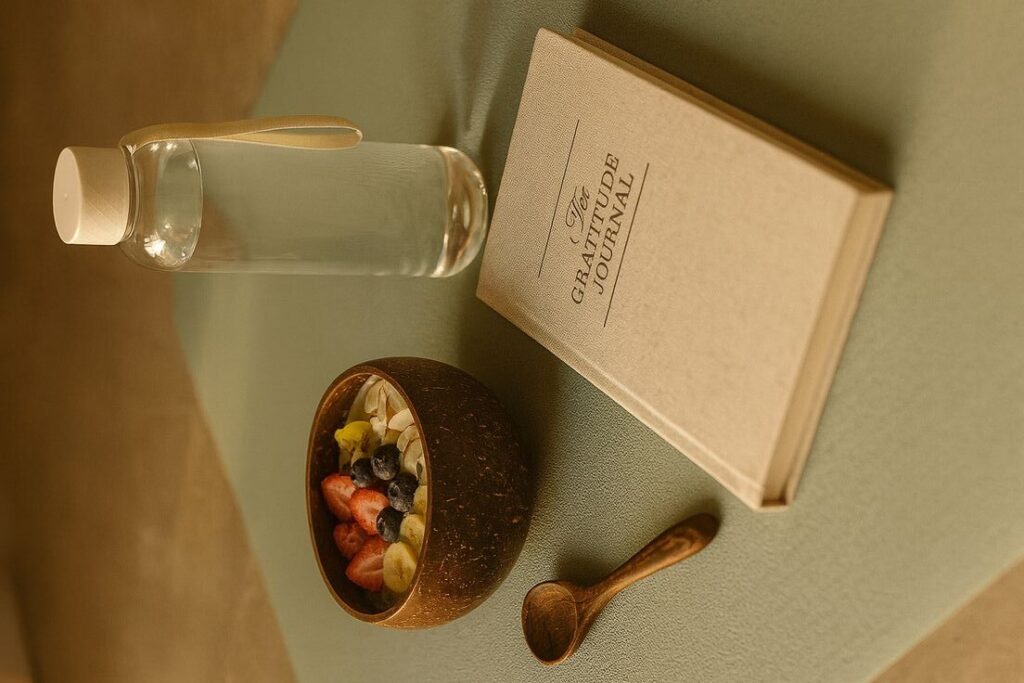
Flat lay of a gratitude journal, smoothie bowl with fruit, wooden spoon, and glass water bottle on a soft surface, representing mindfulness and daily wellness habits.

Bottom line – how do I reconnect with pleasure without ignoring my body?
By viewing pain as information, not identity. Partner with a clinician, support your body’s natural balance, and work toward restoring comfort through evidence-informed care. Intimacy can become enjoyable again – not by forcing, but by re-teaching your body that it’s safe to feel good.

* These statements have not been evaluated by the Food and Drug Administration. This content is not intended to diagnose, treat, cure, or prevent any disease.

References

  1. American Urological Association (AUA). Diagnosis and Treatment of Interstitial Cystitis/Bladder Pain Syndrome (2022 Update). AUA Guideline
  2. Moradi, M. et al. (2021). Inflammatory Mediators and Pain in Endometriosis: A Systematic Review. PubMed
  3. Khan, K. N. et al. (2024). Endometriosis: A Comprehensive Exploration of Inflammatory Mechanisms. PMC
  4. Jamil, A. et al. (2024). Systematic Low-Grade Chronic Inflammation and Intrinsic Mechanisms in Polycystic Ovary Syndrome. PubMed
  5. Li, X. et al. (2021). Chronic Low-Grade Inflammation in the Pathogenesis of Polycystic Ovary Syndrome. MDPI
  6. Bornstein, J. et al. (2022). Immune-Mediated Mechanisms in Localized Provoked Vulvodynia (Vestibulodynia). PMC

Share:

Easy Delivery. Effortless Wellness.
Subscribe for:

  • Up to 15% off every order
  • Save even more with Free Shipping US and Canada
  • Peace of mind
  • Sustained wellness through consistent use
  • Priority Shipping in the event of sell outs

By signing up for a Wellex subscription, you authorize use of the credit card you have on file and shipping at the frequency you have selected. Rest assured you can change or cancel at any time.