

If you live with interstitial cystitis/bladder pain syndrome (IC/BPS), you may have noticed that what you eat or drink sometimes seems to affect your symptoms.
You are not imagining the connection. Dietary sensitivity is commonly reported among people with IC/BPS. In one study of 598 people with IC/BPS, 95.8% reported that certain foods or beverages affected their symptoms.¹ Earlier research similarly found that approximately 90% of surveyed patients experienced symptom exacerbations after consuming particular foods or drinks.²
IC/BPS is a chronic condition characterized by bladder-related pain, pressure or discomfort, often accompanied by urinary urgency and frequency.⁴ While diet does not cause IC, certain foods and beverages may contribute to symptom flares in susceptible individuals.¹⁻⁴
The important part? There isn’t one universal IC diet.
Research consistently shows that dietary sensitivities vary between individuals, making personalized identification of trigger foods more useful than avoiding a long list of foods indefinitely.¹,³
Several foods and beverages repeatedly appear in IC research as potential symptom triggers. Large patient surveys and systematic reviews have identified citrus fruits, tomatoes, coffee, tea, carbonated beverages, alcohol, spicy foods and artificial sweeteners among the most commonly reported offenders.¹⁻³
Here are the major categories worth paying attention to.
Coffee and tea are among the most frequently reported dietary triggers for IC symptoms.¹,² Caffeine may contribute to urinary symptoms in susceptible individuals, and caffeinated beverages consistently appear on lists of patient-reported IC triggers.¹⁻³
If coffee seems to bother your bladder, consider experimenting with a smaller serving, reducing your overall caffeine intake or trying a caffeine-free alternative.
Citrus fruits and juices, including oranges, lemons and grapefruit, are frequently associated with worsening IC symptoms.¹⁻³ Tomatoes and tomato-based foods are another commonly reported trigger.¹,³
Instead, try experimenting with less acidic fruits such as pears, blueberries or watermelon and see how your bladder responds.
Soda and other carbonated beverages are frequently reported to worsen symptoms among people with IC/BPS.¹⁻³
If carbonation seems to trigger urgency, pain or discomfort, still water may be better tolerated during a flare.
Hot peppers and spicy foods are another consistently reported trigger category.¹⁻³
That doesn’t mean your meals need to be bland. Herbs such as basil, parsley, oregano, rosemary and dill can add plenty of flavour without relying on heat.
Artificial sweeteners have also been associated with symptom exacerbation in IC/BPS surveys.¹⁻³
If you regularly consume diet drinks, sugar-free foods or artificially sweetened products, consider tracking whether symptoms change when you temporarily remove them.
Alcoholic beverages are among the most frequently reported IC triggers, including wine, beer and other alcoholic drinks.¹⁻³
Individual tolerance varies, so tracking both the type and amount of alcohol consumed can help determine whether it contributes to your symptoms.
Probably not.
One of the biggest drawbacks of following a generic “IC diet” is that it can become unnecessarily restrictive. Research shows that most foods do not worsen symptoms for most patients, while the specific foods that do cause problems can differ considerably between individuals.¹,³
Instead of permanently eliminating every potential trigger, a more practical approach is to identify your triggers.
The American Urological Association includes avoidance of reproducible food triggers and the use of an elimination diet among the behavioural strategies that may help people manage IC/BPS.⁴ A recent systematic review also found promising evidence that individualized dietary interventions, including elimination diets, can improve IC/BPS symptom scores.⁵
Write down what you eat and drink alongside symptoms such as bladder pain, urgency and frequency. Because dietary sensitivity differs between individuals, tracking symptoms can help reveal patterns that might otherwise be difficult to notice.¹,³
Temporarily remove your most likely triggers rather than cutting out dozens of foods at once. Controlled elimination approaches have been recommended in the IC/BPS literature as a way to identify sensitivities while maintaining adequate nutritional intake.³
Once symptoms are relatively stable, gradually reintroduce foods individually. This can help you determine which foods actually affect you and which can comfortably remain part of your diet.³,⁴
Working with a registered dietitian or qualified healthcare practitioner can be especially helpful if your diet has become highly restricted or you’re concerned about meeting your nutritional needs.³
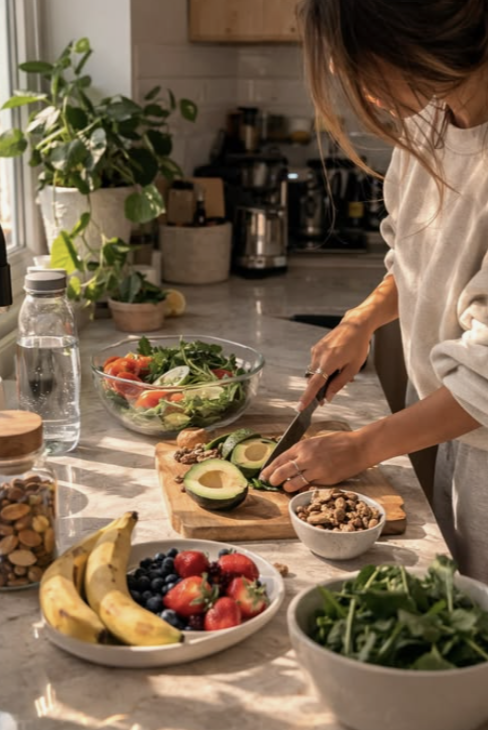
Rather than thinking of IC nutrition as a long list of foods you can’t eat, focus on building meals around nutritious foods that you personally tolerate well.
Because food sensitivities are highly individual, research does not support a single list of foods that will be “bladder safe” for everyone with IC/BPS.¹,³ A balanced diet might include tolerated sources of protein, whole grains, vegetables, fruits and healthy fats, with specific foods adjusted according to your symptoms.
This personalized approach allows you to maintain as much variety as possible while reducing the foods you’ve identified as genuine triggers.
Food can matter, but IC symptoms can also fluctuate in response to factors beyond diet. Research involving people with IC/BPS has identified stress and other lifestyle factors among commonly reported flare triggers.⁶
Current clinical guidance therefore recommends an individualized approach that may combine dietary modifications with **stress management, bladder training, pelvic floor relaxation or manual physical therapy when appropriate, and other medical treatments based on the individual’s symptoms.**⁴
Diet can be a valuable tool for managing interstitial cystitis, but the goal shouldn’t be to fear food or eliminate everything that appears on an IC trigger list.
Research suggests that dietary sensitivities are common in IC/BPS, with coffee, tea, citrus, tomatoes, carbonated beverages, alcohol, spicy foods and artificial sweeteners among the most consistently reported triggers.¹⁻³ At the same time, individual responses vary considerably.
A food diary followed by thoughtful elimination and reintroduction can help you build a more personalized picture of what your bladder tolerates.³⁻⁵
Over time, the goal is not simply to eat fewer foods. It’s to create a balanced, enjoyable and sustainable diet that gives you greater confidence in managing your IC symptoms.


Photodynamic therapy is a treatment typically used in the treatment of acne, warts, and a range of cancers, including mouth (oral), head and neck, lung,

The HPV Infection: Do I Have It? But…I’ve never noticed any symptoms so I couldn’t have gotten an HPV infection? Most strains of HPV are low-risk strains that
Are you worried about HPV? Are you unclear as to what exactly HPV is? We at Papillex understand your concerns. HPV can be scary! That’s
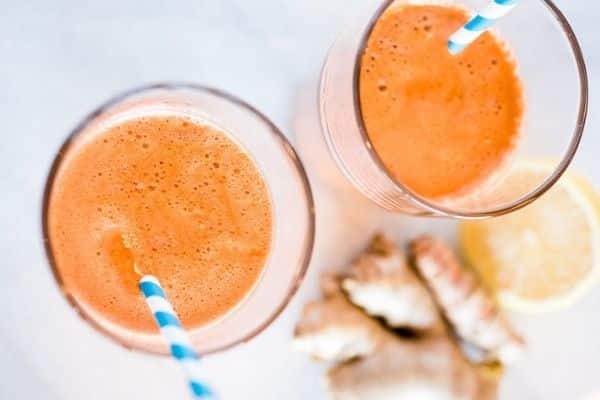
Human beings are naturally programmed to eat foods that are healing and beneficial for our bodies. However, we all know that it isn’t always easy
Check out our shop to see what's available
Easy Delivery. Effortless Wellness.
Subscribe for:
By signing up for a Wellex subscription, you authorize use of the credit card you have on file and shipping at the frequency you have selected. Rest assured you can change or cancel at any time.