
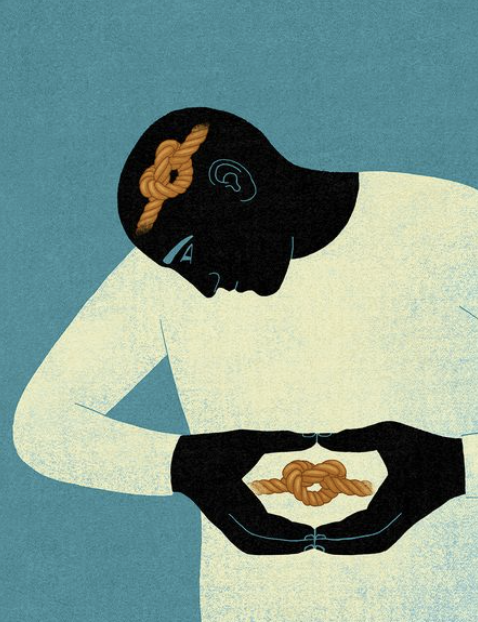

If you’ve ever noticed your interstitial cystitis/bladder pain syndrome (IC/BPS) symptoms getting worse during a stressful week, there’s science behind that experience.
IC/BPS is characterized by bladder-related pain, pressure or discomfort, often accompanied by urinary urgency and frequency. While researchers are still working to understand exactly what causes IC/BPS, evidence increasingly suggests that it isn’t always a condition involving the bladder alone. The nervous system and the way the brain processes bladder signals may also play an important role.¹,²
This communication between the bladder, spinal cord and brain is sometimes described as the brain-bladder connection, and understanding it may open up additional ways to manage symptoms.
Your bladder is constantly communicating with your nervous system.
As the bladder fills, sensory nerves send information through the spinal cord to the brain. The brain interprets these signals and coordinates when it is appropriate to urinate.¹
In IC/BPS, these sensory pathways may function differently. Research has identified changes in pathways involved in bladder sensation, and a 2024 systematic review found evidence of central sensitization across all 15 included studies of people with bladder pain syndrome.²,⁵
Central sensitization essentially means that the nervous system becomes more responsive to sensory input. This may help explain why sensations that would normally be interpreted as bladder fullness or mild discomfort can become more intense or painful for some people with IC/BPS.²,⁵
Importantly, this does not mean IC symptoms are “all in your head.” Instead, it highlights that the brain, nerves and bladder function as an interconnected system.
Yes, stress is one of the most commonly reported IC flare triggers.
In one study from the MAPP Research Network, **78.4% of participants reported stress as a trigger for their IC/BPS flares.**³ Researchers have also documented differences in autonomic nervous system activity among people with IC, supporting a possible biological connection between stress responses and bladder symptoms.⁴
Stress activates systems responsible for helping the body respond to perceived threats, including the sympathetic nervous system. Research suggests that altered stress responses and sympathetic nervous system activity may contribute to increased bladder sensitivity and pain in some people with IC/BPS.¹,⁴
This can create a frustrating cycle:
Stress → increased nervous system activity → heightened bladder sensations or pain → more stress
Learning how to interrupt that cycle may therefore be a valuable part of an individualized IC management plan.
Chronic pain conditions can involve changes in how the nervous system processes sensory information. Central sensitization has been identified in people with BPS and has been associated with more severe disease presentations and coexisting chronic pain conditions.⁵
For some people, this heightened sensitivity may contribute to bladder pressure, pelvic discomfort or pain feeling more intense.
The pelvic floor and bladder are closely connected, and pelvic floor tenderness or dysfunction is common in some people with IC/BPS. Clinical research has shown that targeted myofascial pelvic floor physical therapy can improve symptoms in women with IC/BPS and pelvic floor tenderness.⁸
This is important because continually tightening or guarding the muscles surrounding the pelvis may contribute to an ongoing cycle of tension and discomfort.
Research suggests that IC/BPS may involve altered signaling along the sensory pathways connecting the bladder, spinal cord and brain.¹,² These changes may contribute to exaggerated bladder sensations, including urgency and pain.
Stress management isn’t simply about “relaxing.” There is emerging clinical evidence that mind-body interventions may provide meaningful benefits for some people with IC/BPS.
A randomized controlled trial evaluating an eight-week mindfulness-based stress reduction (MBSR) program found that more participants receiving MBSR plus usual care reported overall symptom improvement compared with usual care alone. Participants also experienced improvements in their ability to cope with symptoms.⁶
Even a few minutes of meditation, slow breathing or another relaxation practice each day can be a practical place to start.
More recent research is also encouraging.
A 2025 randomized controlled trial studied women with IC/BPS receiving usual care alone or usual care plus meditation and yoga for 12 weeks. Researchers investigated whether these mind-body strategies could improve treatment response, pain, anxiety, depression and other IC/BPS outcomes.⁷
Gentle yoga, walking and stretching may therefore be useful additions to a broader management plan, provided the activity feels comfortable and doesn’t aggravate your symptoms.
If pelvic floor tension or tenderness is part of your IC picture, pelvic floor physical therapy may be particularly helpful.
In a multicentre randomized controlled trial, women with IC/BPS and pelvic floor tenderness who received myofascial physical therapy had a significantly higher treatment response than those receiving general therapeutic massage.⁸
Importantly, IC/BPS pelvic floor therapy often focuses on relaxing and releasing tight muscles, rather than strengthening them.
Sleep and chronic pain can influence one another, meaning that pain may disrupt sleep while insufficient sleep can increase sensitivity to pain. Because IC/BPS is a chronic pain condition involving altered sensory processing in some patients, supporting healthy sleep can be an important component of overall symptom management.²,⁵
A consistent sleep schedule, relaxing evening routine and stress-reduction practices before bed may help support both sleep and nervous system regulation.
One of the most important shifts in our understanding of IC/BPS is recognizing that symptoms may involve multiple interconnected systems rather than the bladder alone. Current research points toward several possible mechanisms, including bladder lining changes, inflammation, altered nerve signaling and central sensitization.²,⁵
That means IC management can also take a broader approach.
Alongside individualized medical treatment, strategies such as mindfulness, meditation, gentle movement, pelvic floor physical therapy and stress management may help address some of the nervous system and musculoskeletal factors that contribute to symptoms.⁶⁻⁸
The brain-bladder connection provides an important piece of the IC puzzle.
Research shows that the bladder communicates continuously with the central nervous system, while studies of IC/BPS have identified changes in sensory processing and evidence of central sensitization. Stress is also frequently reported as an IC flare trigger.¹⁻⁵
The encouraging part is that this connection may also provide additional opportunities for symptom management. Clinical trials suggest that mindfulness-based stress reduction, meditation, yoga and targeted pelvic floor physical therapy can be useful complementary strategies for some people with IC/BPS.⁶⁻⁸
Rather than trying to eliminate stress completely, focus on giving your nervous system regular opportunities to recover. Small, consistent practices that support relaxation, movement, sleep and pelvic floor health can become valuable pieces of a more comprehensive IC management strategy.


Photodynamic therapy is a treatment typically used in the treatment of acne, warts, and a range of cancers, including mouth (oral), head and neck, lung,

The HPV Infection: Do I Have It? But…I’ve never noticed any symptoms so I couldn’t have gotten an HPV infection? Most strains of HPV are low-risk strains that

Are you worried about HPV? Are you unclear as to what exactly HPV is? We at Papillex understand your concerns. HPV can be scary! That’s

Human beings are naturally programmed to eat foods that are healing and beneficial for our bodies. However, we all know that it isn’t always easy
Check out our shop to see what's available
Easy Delivery. Effortless Wellness.
Subscribe for:
By signing up for a Wellex subscription, you authorize use of the credit card you have on file and shipping at the frequency you have selected. Rest assured you can change or cancel at any time.