

Living with interstitial cystitis or bladder pain syndrome can make eating feel unpredictable. A food that causes a painful flare for one person may have no effect on someone else, while a previously tolerated drink may suddenly seem to worsen urgency, frequency, or pelvic discomfort.
This is why there is no single universal “IC diet.”
Current research suggests that the most useful dietary approach may be a personalized elimination diet designed to identify your individual bladder triggers without unnecessarily restricting foods long term. A recent systematic review found that individualized elimination diets may improve pain and other IC/BPS symptoms, although the available evidence remains limited and larger studies are still needed.¹
Here is how to approach an elimination diet safely and practically.
Interstitial cystitis/bladder pain syndrome, or IC/BPS, is a chronic condition associated with pain, pressure, or discomfort perceived to come from the bladder, often alongside urinary urgency and frequency. Symptoms can vary significantly between individuals and may fluctuate between more manageable periods and symptom flares.²
IC/BPS is not considered one uniform disease. Different biological, pelvic floor, neurological, inflammatory, and psychosocial factors may contribute to symptoms, which is one reason treatment often needs to be individualized. Current clinical guidance supports a multimodal approach that may include dietary management, pelvic-floor physiotherapy, stress support, pain management, medication, and other therapies selected according to the individual.³
Many people with IC/BPS report that certain foods and beverages worsen bladder pain, urgency, or frequency. Survey-based studies have repeatedly identified coffee, tea, alcohol, carbonated drinks, citrus, tomatoes, artificial sweeteners, and spicy foods as commonly reported triggers.⁴⁻⁶
However, that does not mean everyone with IC needs to avoid every food on this list.
In one large survey, most participants reported at least one dietary sensitivity, but most of the hundreds of individual foods examined had no effect on symptoms.⁴ This highlights an important point: your personal response matters more than following an overly restrictive generic food list.
Stress, infections, physical activity, prolonged sitting, sexual activity, tight clothing, and other factors may also contribute to flares. Food is only one possible part of the picture.⁷
A 2026 systematic review examined four dietary intervention studies involving 147 people with IC/BPS. The researchers found that an individualized elimination diet produced improvements in pain and validated symptom scores after 12 months. A shorter online dietary coaching intervention also improved pain and urgency.¹
By comparison, the review found no clear benefit from an anti-inflammatory diet or hydrogen-rich water in the small studies available.¹
These results are encouraging, but they should be interpreted cautiously. Only a small number of studies met the researchers’ inclusion criteria, and the interventions differed considerably. The evidence does not support prescribing one strict eating plan to everyone with IC/BPS.
Instead, the findings support using a structured process to identify personal triggers while preserving a nutritionally balanced and varied diet. This personalized approach was also specifically highlighted in the internal Wellex discussion of the study.
An elimination diet is a short-term experiment, not a permanent way of eating. The goal is to temporarily remove likely triggers, monitor your symptoms, and then reintroduce foods systematically.
Before changing your diet, track your symptoms and usual food intake for approximately one to two weeks.
Record:
Using a simple rating scale, such as 0 to 10, can make patterns easier to recognize.
Try not to change several lifestyle factors at once. If you simultaneously alter your diet, supplements, exercise routine, sleep schedule, and medications, it may become difficult to tell what actually affected your symptoms.
For approximately two to four weeks, consider removing the foods and drinks most strongly associated with your symptoms.
Frequently reported triggers include:
This is not a list of foods that every person with IC must avoid. Begin with the items you consume regularly or already suspect may affect you.
Continue eating enough protein, fibre, carbohydrates, healthy fats, fruits, and vegetables from foods you tolerate. An elimination phase should not leave you eating only a handful of “safe” foods.
Continue your symptom diary during the elimination period.
Look for meaningful changes in:
Symptoms may naturally fluctuate, so one good or bad day does not necessarily prove that a food is helpful or harmful. Look for patterns that repeat over several days.
Once your symptoms have reached a more stable baseline, begin reintroducing one eliminated item at a time.
Start with a small portion on the first day and increase to a normal portion if tolerated. Monitor your symptoms for approximately two to three days before testing another food.
For example:
Testing one item at a time makes it easier to identify the likely cause of a reaction.
Food reactions are not always all or nothing.
You may find that:
Your final plan may involve limiting the quantity, frequency, or timing of certain foods rather than eliminating them completely.
Overly restrictive diets can make it harder to meet nutritional needs and may increase anxiety around eating. They can also become difficult to maintain socially and financially.
The aim is to build the widest and most enjoyable diet you can tolerate, not to eliminate every food that appears on an online IC list.
Consider working with a registered dietitian or qualified healthcare provider if:
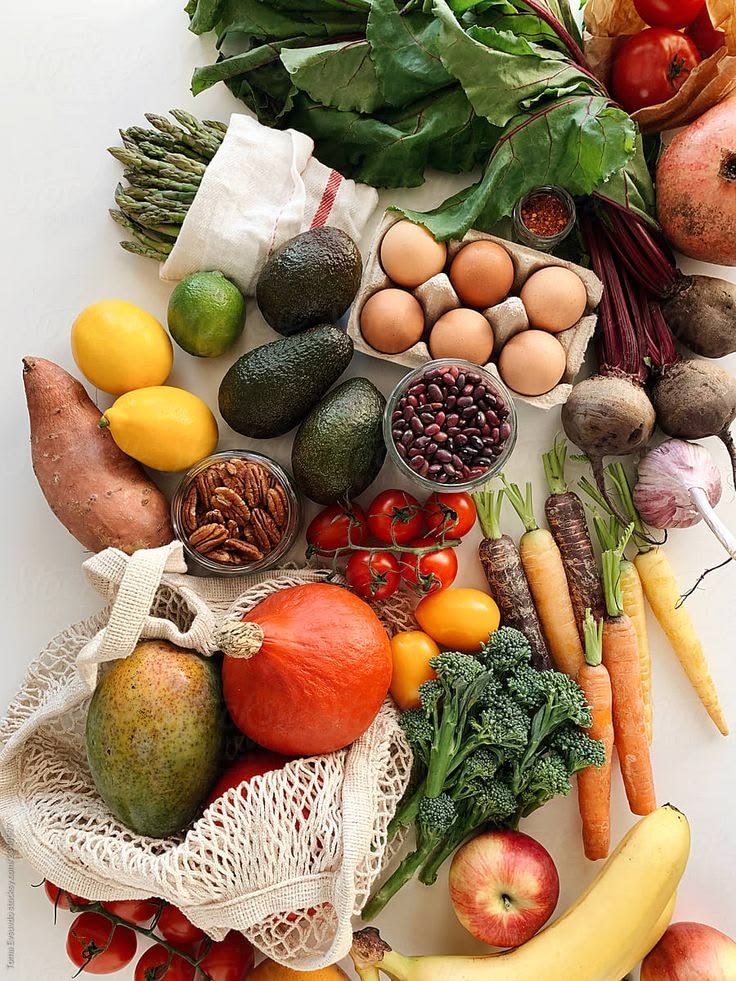
Tolerance differs, but many people begin with relatively simple, minimally processed foods such as:
Even commonly recommended “bladder-friendly” foods can trigger symptoms in some individuals, so continue to use your own symptom response as your guide.
Dietary changes are only one potential part of IC/BPS management.
Symptoms may also be influenced by pelvic-floor muscle tension, central pain sensitization, stress, poor sleep, hormonal changes, constipation, sexual activity, infections, and other health conditions.³˒⁷ A lack of improvement with dietary changes does not mean your symptoms are not real. It may simply mean that food is not one of your primary drivers.
Speak with your healthcare provider about other strategies, which may include pelvic-floor physiotherapy, bladder training, stress and nervous-system support, medication, pain management, or further evaluation.
Seek medical care promptly if you develop fever, visible blood in your urine, new back or flank pain, vomiting, difficulty urinating, or symptoms that may suggest a urinary tract infection or another acute condition.
There is no single IC diet that works for everyone.
The best available evidence suggests that a carefully planned, individualized elimination diet may help some people reduce bladder pain, urgency, and other symptoms. However, the research remains limited, and dietary changes should complement rather than replace medical care.¹
Start by tracking your current symptoms, temporarily remove only your most likely triggers, and reintroduce foods one at a time. The goal is not lifelong restriction. It is to understand your body, identify meaningful patterns, and create a varied eating plan that supports both bladder comfort and overall nutrition.


Photodynamic therapy is a treatment typically used in the treatment of acne, warts, and a range of cancers, including mouth (oral), head and neck, lung,

The HPV Infection: Do I Have It? But…I’ve never noticed any symptoms so I couldn’t have gotten an HPV infection? Most strains of HPV are low-risk strains that

Are you worried about HPV? Are you unclear as to what exactly HPV is? We at Papillex understand your concerns. HPV can be scary! That’s
Human beings are naturally programmed to eat foods that are healing and beneficial for our bodies. However, we all know that it isn’t always easy
Check out our shop to see what's available
Easy Delivery. Effortless Wellness.
Subscribe for:
By signing up for a Wellex subscription, you authorize use of the credit card you have on file and shipping at the frequency you have selected. Rest assured you can change or cancel at any time.