
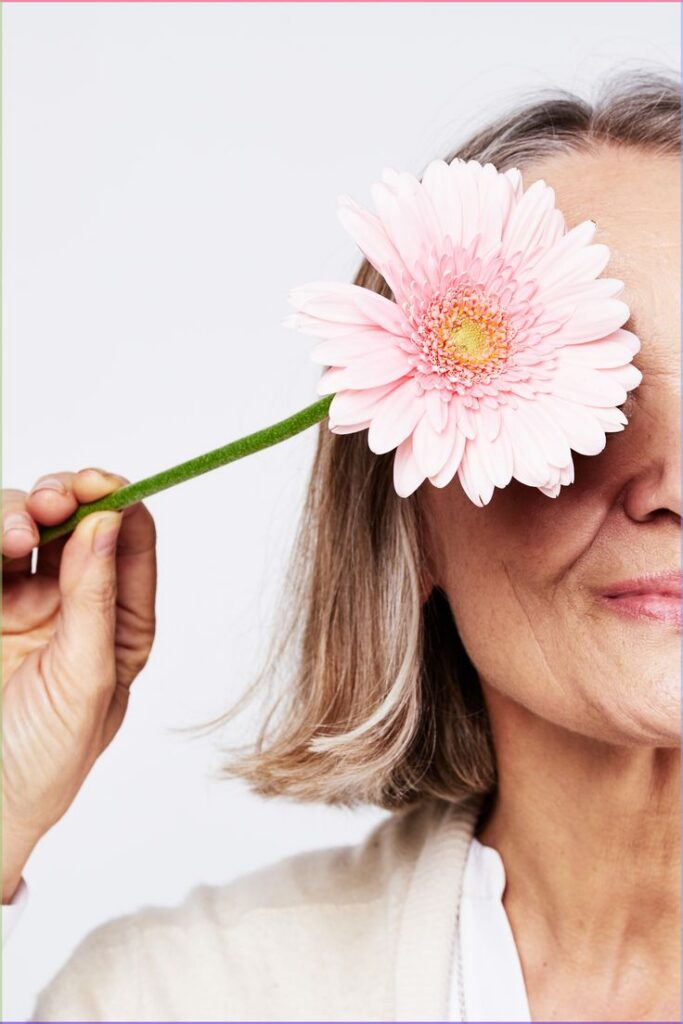

For years, many women believed menopause symptoms couldn’t begin until their late 40s or early 50s. So when symptoms like brain fog, disrupted sleep, anxiety, irregular periods, or unexplained weight changes appeared in their late 30s, they were often attributed to stress, burnout, or simply getting older.
Today, that conversation is changing.
Recent clinical guidelines and growing public awareness are helping more women recognize that perimenopause can begin years before menopause, sometimes in the late 30s.¹ While researchers have long understood that hormone changes begin before menopause, newer guidance emphasizes that symptoms are often overlooked or misunderstood, delaying diagnosis and support.
Here’s what current evidence says about early perimenopause and how to support your health through this important life stage.
Perimenopause is the natural transition between the reproductive years and menopause.
During this stage, the ovaries gradually produce less estrogen and progesterone. Rather than declining steadily, these hormones fluctuate from month to month, which helps explain why symptoms can seem unpredictable.¹
Perimenopause officially ends once you’ve gone 12 consecutive months without a menstrual period, marking menopause.²
For many women, this transition lasts four to eight years, although the duration varies considerably.¹
Yes.
While the average age of natural menopause is approximately 51 years, many women begin experiencing hormonal changes years earlier.¹
Updated clinical guidance recognizes that some women may notice symptoms in their late 30s, while others experience them in their early or mid-40s.¹
Several factors can influence when perimenopause begins, including:
Experiencing symptoms in your 30s doesn’t necessarily mean menopause is around the corner, but it may indicate that hormone fluctuations have begun.
Every woman’s experience is unique, but some of the most common early symptoms include:
Many of these symptoms overlap with other health conditions such as thyroid disorders, iron deficiency, chronic stress, or depression. That’s why it’s important to speak with your healthcare provider if symptoms are affecting your quality of life.
One of the biggest misconceptions about perimenopause is that a single blood test can confirm or rule it out.
In reality, estrogen and other reproductive hormones fluctuate significantly throughout perimenopause. Hormone levels can vary from day to day and from one menstrual cycle to the next.¹
Because of this, healthcare providers often diagnose perimenopause based on:
Blood tests may still be useful in certain situations to rule out other medical conditions, but they don’t always provide a complete picture of where you are in the menopause transition.
Perimenopause is a normal part of aging, but healthy lifestyle habits can help support overall wellbeing throughout the transition.
Declining estrogen contributes to gradual losses in muscle mass and bone density. Resistance training helps preserve strength, maintain bone health, and support healthy aging.⁴
Eating adequate protein supports muscle maintenance, while a diet rich in vegetables, fruit, legumes, whole grains, and healthy fats provides nutrients that support metabolic and cardiovascular health.⁴
Sleep disturbances become more common during perimenopause. Maintaining consistent sleep habits and practicing good sleep hygiene may help improve energy, mood, and cognitive function.¹
Stress doesn’t cause perimenopause, but it can make symptoms like fatigue, poor sleep, and mood changes feel more intense. Regular physical activity, mindfulness, spending time outdoors, and social connection can all support emotional wellbeing.¹
Perimenopause often begins earlier than many women expect, and growing awareness is helping more women recognize the signs sooner. While symptoms may start in the late 30s or early 40s, they’re frequently mistaken for stress or normal aging.¹,³
Understanding the menopause transition empowers you to have informed conversations with your healthcare provider and adopt healthy habits that support your body through every stage of life. Although everyone’s experience is different, prioritizing nutrition, strength training, sleep, and stress management can help lay the foundation for healthy aging and long-term wellbeing.


Photodynamic therapy is a treatment typically used in the treatment of acne, warts, and a range of cancers, including mouth (oral), head and neck, lung,

The HPV Infection: Do I Have It? But…I’ve never noticed any symptoms so I couldn’t have gotten an HPV infection? Most strains of HPV are low-risk strains that
Are you worried about HPV? Are you unclear as to what exactly HPV is? We at Papillex understand your concerns. HPV can be scary! That’s

Human beings are naturally programmed to eat foods that are healing and beneficial for our bodies. However, we all know that it isn’t always easy
Check out our shop to see what's available
Easy Delivery. Effortless Wellness.
Subscribe for:
By signing up for a Wellex subscription, you authorize use of the credit card you have on file and shipping at the frequency you have selected. Rest assured you can change or cancel at any time.