

Home Blog How to Shop the Farmers Market Like a Naturopath

How to Shop the Farmers Market Like a Naturopath

Key Takeaways

  • Seasonal foods can support immune and cellular health.
  • Focus on simple, nutrient-dense additions, not perfection.
  • Leafy greens, berries, mushrooms, and cruciferous vegetables offer key antioxidants and phytonutrients.
  • Consistency matters more than complicated wellness routines.
8 min read
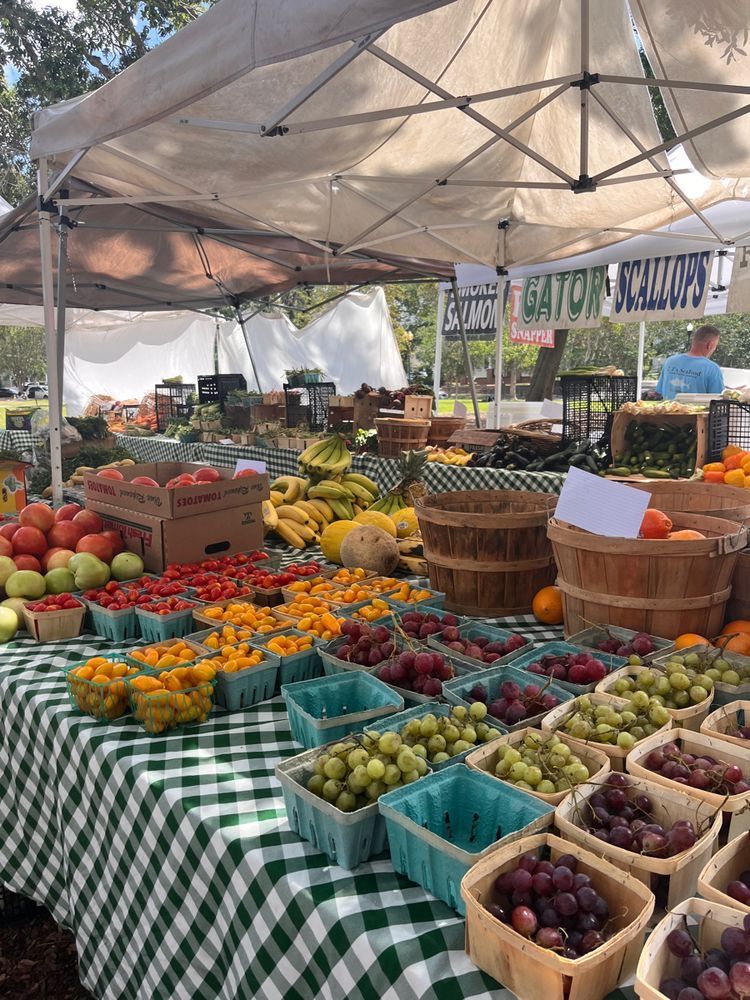
Outdoor farmers market stand filled with fresh seasonal produce including grapes, tomatoes, bananas, melons, and vegetables displayed in baskets and wooden crates under white tents.

11 In-Season Foods to Support Your Immune Foundation

There’s a certain way a naturopath shops a farmers market.

Not by calories.
Not by trends.
And definitely not by whatever wellness food is going viral that week.

Instead, the focus is often much simpler: what nutrients and plant compounds help support the body’s ability to function, repair, and respond well to everyday stressors?

Because immune health is rarely built overnight. It’s shaped through consistent patterns – including the foods we come back to again and again.

And this time of year, many of those foods are naturally in season.

Think:

  • dark leafy greens
  • cruciferous vegetables
  • antioxidant-rich fruits
  • sulfur-containing plants
  • fibre-rich seasonal produce
  • carotenoid-rich vegetables

These are the same categories that consistently appear in nutrition research around immune resilience, antioxidant support, and overall cellular health [1,2].

The good news? You don’t need a complicated routine to start incorporating more of them.
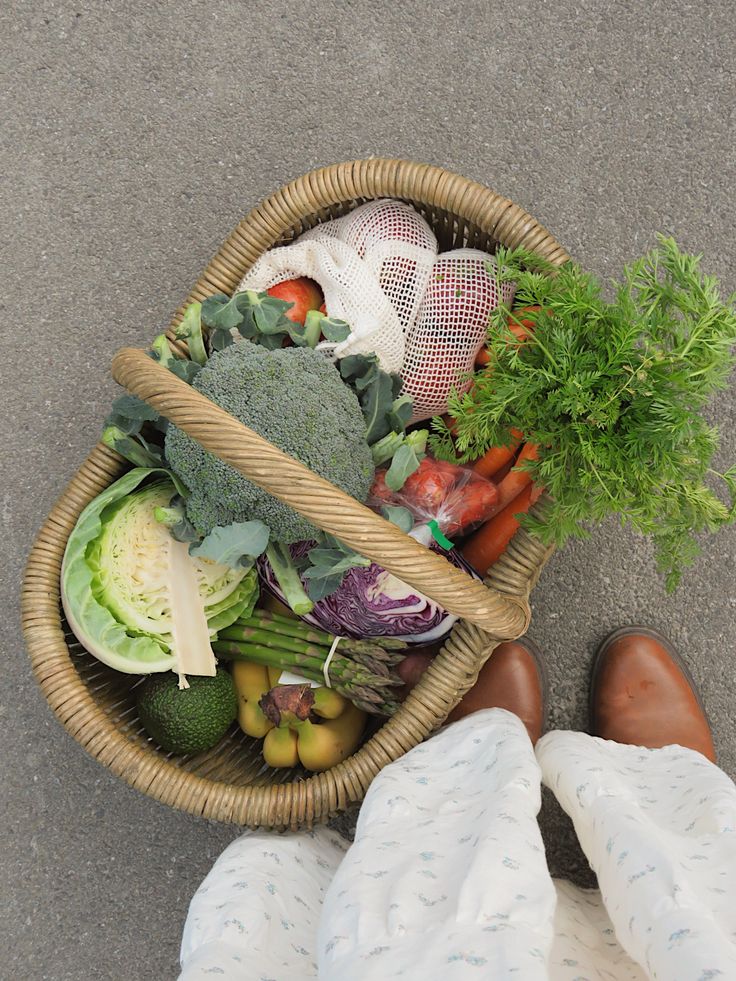

Fresh, seasonal, and full of nutrients .
A naturopathic approach to the farmers market isn’t about trends – it’s about building supportive habits with foods that nourish immune and cellular health over time. 🥦🍓✨

1. Broccoli Sprouts – Tiny but Potent

Broccoli sprouts may be small, but they’re packed with naturally occurring compounds called glucosinolates, which are studied for their role in antioxidant activity and cellular defense pathways [3].

They’re one of those ingredients that feels surprisingly easy to add once you start buying them.

Easy ways to use them:

  • Sprinkle onto avocado toast
  • Add to salads or grain bowls
  • Layer into sandwiches or wraps

2. Kale – A Farmers Market Staple for a Reason

Kale delivers a combination of carotenoids, vitamin C, fibre, and polyphenols that support overall immune and antioxidant function [4].

It’s also one of the easiest greens to build meals around.

Easy ways to use it:

  • Massage with olive oil and lemon for a simple salad
  • Toss into soups or pasta
  • Blend into smoothies

3. Cabbage – The Underrated Cruciferous Vegetable

Cabbage often gets overlooked beside trendier greens, but nutritionally, it brings a lot to the table.

As part of the cruciferous vegetable family, cabbage contains sulfur-containing compounds that are studied in relation to detoxification pathways and overall cellular health [5].

Easy ways to use it:

  • Add to crunchy slaws
  • Sauté with garlic and olive oil
  • Toss into tacos or rice bowls

4. Spinach – An Easy Source of Folate + Antioxidants

Spinach provides folate, carotenoids, vitamin C, and iron – nutrients involved in normal cellular function and overall health maintenance [6].

It’s also one of the easiest “add-in” foods for busy weeks.

Easy ways to use it:

  • Blend into smoothies
  • Add to omelets or eggs
  • Toss into pasta or soups

5. Asparagus – Peak Spring Produce

Asparagus is one of spring’s signature vegetables and naturally contains folate, fibre, and antioxidant compounds [7].

Folate plays an important role in DNA synthesis and normal cellular turnover, making it one of the foundational nutrients involved in overall cellular health.

Easy ways to use it:

  • Roast with olive oil and sea salt
  • Add to pasta or risotto
  • Grill alongside protein and vegetables

6. Strawberries – More Than Just a Sweet Snack

Peak-season strawberries are rich in vitamin C and polyphenols, both of which are associated with antioxidant support [8].

They’re also one of the easiest seasonal swaps for more nutrient-dense snacking.

Easy ways to use them:

  • Add to yogurt bowls
  • Blend into smoothies
  • Eat fresh with nuts or seeds

7. Carrots – A Simple Source of Carotenoids

Carrots are naturally rich in carotenoids, including beta-carotene, which the body can convert into vitamin A – a nutrient involved in immune function, skin health, and cellular maintenance [9].

They’re inexpensive, versatile, and easy to incorporate into everyday meals.

Easy ways to use them:

  • Roast with olive oil and herbs
  • Add to salads or grain bowls
  • Snack on with hummus or dips

8. Mushrooms – Functional Support for the Immune System

Mushrooms contain naturally occurring beta-glucans, compounds that have been studied for their role in supporting normal immune signaling and immune response function [10].

This isn’t about “boosting” immunity overnight – it’s more about supporting healthy immune communication over time.

Easy ways to use them:

  • Add to eggs or stir fries
  • Roast for grain bowls
  • Toss into pasta or soups

9. Tomatoes – Rich in Lycopene

Tomatoes are one of the most well-known dietary sources of lycopene, a carotenoid studied for its antioxidant activity and role in cellular health [11].

Interestingly, cooked tomato products often provide more bioavailable lycopene than raw tomatoes.

Easy ways to use them:

  • Add roasted tomatoes to pasta or bowls
  • Use tomato sauce in soups or stews
  • Toss cherry tomatoes into salads

10. Garlic Scapes – One of Spring’s Most Seasonal Finds

Garlic scapes are part of the allium family and contain sulfur compounds associated with antioxidant and immune-supportive activity [12].

They also happen to be one of the best farmers market finds this time of year.

Easy ways to use them:

  • Blend into pesto
  • Chop into sautés
  • Add to roasted vegetables

11. Watercress – A Surprisingly Nutrient-Dense Green

Watercress is packed with vitamins A, C, and K along with phytonutrients involved in antioxidant activity [13].

It has a peppery flavor that works surprisingly well in everyday meals.

Easy ways to use it:

  • Add to salads
  • Layer into sandwiches
  • Toss into wraps or bowls

The Bigger Picture

When you step back, a clear pattern emerges.

Many of these seasonal foods naturally provide:

  • vitamin C
  • folate
  • carotenoids
  • fibre
  • sulfur compounds
  • polyphenols
  • lycopene

These nutrients and plant compounds repeatedly appear in conversations around immune health, antioxidant activity, and cellular support [1,2].

And while food is always the foundation, consistency can sometimes be challenging – especially during stressful seasons, busy schedules, or periods where nutrition becomes less predictable.

That’s one reason why some people choose to complement a food-first approach with targeted nutritional support. Papillex was developed around a similar philosophy: combining evidence-informed nutrients and plant compounds that help support immune health and overall cellular wellness alongside foundational lifestyle habits.

But the goal is never perfection.

It’s simply building more supportive patterns over time.

A More Practical Way to Shop

You don’t need to overhaul your entire routine to make seasonal eating feel supportive.

Sometimes it looks like:

  • adding one leafy green to your grocery list
  • trying one cruciferous vegetable this week
  • choosing seasonal berries over ultra-processed snacks
  • adding mushrooms, tomatoes, or garlic to one dinner

Small additions. Repeated often.

Because supportive nutrition is usually less about extremes – and more about consistency.

References

  1. Calder, Philip C. “Nutrition, Immunity and COVID-19.” BMJ Nutrition, Prevention & Health, vol. 3, no. 1, 2020, pp. 74-92. https://doi.org/10.1136/bmjnph-2020-000085
  2. Gombart, Adrian F., et al. “A Review of Micronutrients and the Immune System – Working in Harmony to Reduce the Risk of Infection.” Nutrients, vol. 12, no. 1, 2020, p. 236. https://doi.org/10.3390/nu12010236
  3. Fahey, Jed W., et al. “Broccoli Sprouts: An Exceptionally Rich Source of Inducers of Enzymes That Protect against Chemical Carcinogens.” Proceedings of the National Academy of Sciences, vol. 94, no. 19, 1997, pp. 10367-10372. https://doi.org/10.1073/pnas.94.19.10367
  4. Sikora, Elżbieta, et al. “The Antioxidant Activity of Selected Cruciferous Vegetables Subjected to Aquathermal Processing.” Food Chemistry, vol. 107, no. 1, 2008, pp. 55-59. https://doi.org/10.1016/j.foodchem.2007.07.023
  5. Juritsch, Anthony F., and Régis Moreau. “Role of Soybean-Derived Bioactive Compounds in Inflammatory Bowel Disease.” Nutrition Reviews, vol. 76, no. 8, 2018, pp. 618-638. https://doi.org/10.1093/nutrit/nuy021
  6. Iacobellis, Ilaria, et al. “Nutritional, Biochemical, and Functional Properties of Spinach Leaf-Enriched Dough: A Healthier Alternative to Conventional Pasta.” Foods, vol. 13, no. 22, 2024, p. 3608. https://doi.org/10.3390/foods13223608
  7. Basu, Arpita, et al. “Strawberry As a Functional Food: An Evidence-Based Review.” Critical Reviews in Food Science and Nutrition, vol. 54, no. 6, 2014, pp. 790-806. https://doi.org/10.1080/10408398.2011.608174
  8. Kishimoto, Yoshimi, et al. “Effects of Acute Strawberry Consumption on Serum Levels of Vitamin C and Folic Acid, the Antioxidant Potential of LDL and Blood Glucose Response: A Randomised Cross-over Controlled Trial.” Journal of Nutritional Science, vol. 12, 2023, p. e39. https://doi.org/10.1017/jns.2022.117
  9. Tanumihardjo, Sherry A. “Carotenoids and Human Health.” Advances in Nutrition, vol. 4, no. 2, 2013, pp. 141-147. https://doi.org/10.3945/an.112.003046
  10. Mirończuk-Chodakowska, Iwona, et al. “Beta-Glucans from Fungi: Biological and Health-Promoting Potential in the COVID-19 Pandemic Era.” Nutrients, vol. 13, no. 11, 2021, p. 3960. https://doi.org/10.3390/nu13113960
  11. Story, Emily N., et al. “An Update on the Health Effects of Tomato Lycopene.” Annual Review of Food Science and Technology, vol. 1, 2010, pp. 189-210. https://doi.org/10.1146/annurev.food.102308.124120
  12. Shang, Ao, et al. “Bioactive Compounds and Biological Functions of Garlic (Allium sativum L.).” Foods, vol. 8, no. 7, 2019, p. 246. https://doi.org/10.3390/foods8070246

Panahi Kokhdan, Esmaeel, et al. “A Narrative Review on Therapeutic Potentials of Watercress in Human Disorders.” Evidence-Based Complementary and Alternative Medicine, vol. 2021, 2021, pp. 1-13. https://doi.org/10.1155/2021/5516450


Table of Contents

Share:

Explore Wellness Insights

Photodynamic Therapy for HPV: What Is It and Does It Work?

Photodynamic therapy is a treatment typically used in the treatment of acne, warts, and a range of cancers, including mouth (oral), head and neck, lung,

How to Talk to Your Partner About Your HPV Status

The HPV Infection: Do I Have It? But…I’ve never noticed any symptoms so I couldn’t have gotten an HPV infection? Most strains of HPV are low-risk strains that

What Is Human Papillomavirus?

Are you worried about HPV? Are you unclear as to what exactly HPV is? We at Papillex understand your concerns. HPV can be scary! That’s
Superfoods and Juice Recipes to Fight Cervical Cancer

Human beings are naturally programmed to eat foods that are healing and beneficial for our bodies. However, we all know that it isn’t always easy

Easy Delivery. Effortless Wellness.
Subscribe for:

  • Up to 15% off every order
  • Save even more with Free Shipping US and Canada
  • Peace of mind
  • Sustained wellness through consistent use
  • Priority Shipping in the event of sell outs

By signing up for a Wellex subscription, you authorize use of the credit card you have on file and shipping at the frequency you have selected. Rest assured you can change or cancel at any time.