
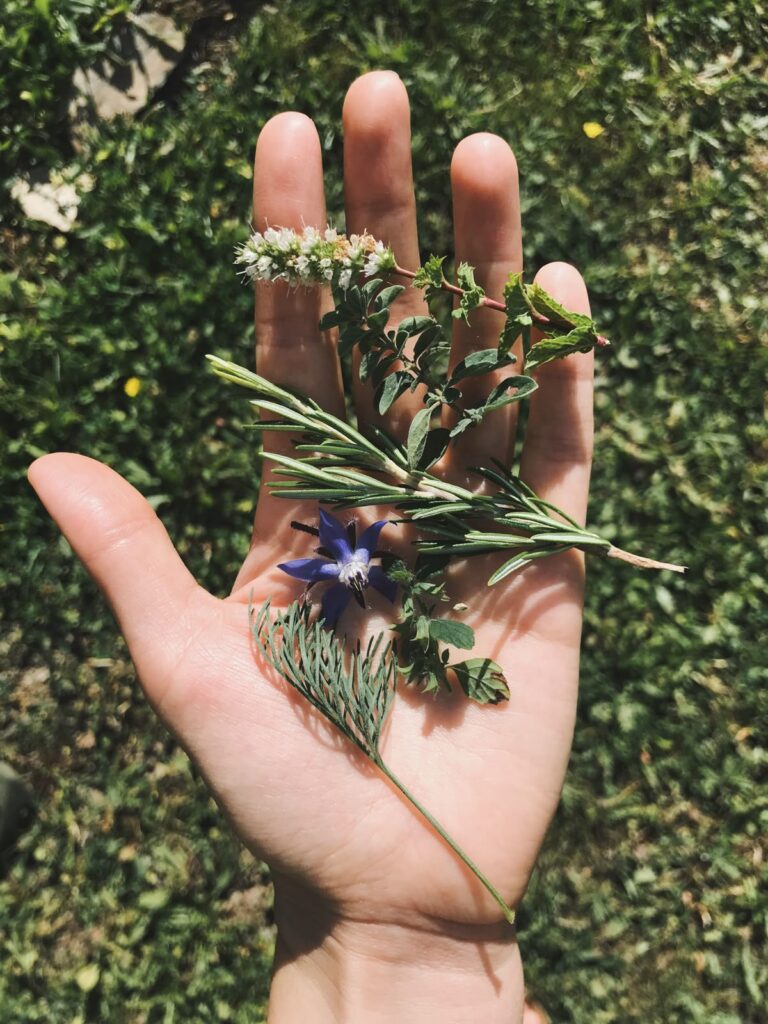

As awareness of human papillomavirus (HPV) continues to grow, many people are looking for natural ways to support their immune system and overall health after receiving an HPV diagnosis. While there is no herbal treatment that cures HPV, some herbs have been studied for their antiviral, antioxidant, and immunomodulatory properties that may support normal immune function.¹⁻³
Lifestyle habits remain the foundation of immune health. Eating a nutrient-dense diet, exercising regularly, getting enough sleep, managing stress, and avoiding smoking all play important roles in supporting your body’s natural immune response; not just against HPV, but against infections in general.⁴˒⁵
Below, we’ll explore some of the most commonly studied herbs and botanicals for HPV and what the current research says about each.
Human papillomavirus (HPV) is one of the most common sexually transmitted infections worldwide. While most HPV infections are cleared naturally by the immune system within one to two years, persistent infection with certain high-risk HPV types can increase the risk of cervical cancer and several other cancers.⁶˒⁷
Although researchers continue to investigate natural approaches that may support immune function, no herbal remedy has been proven to eliminate HPV infection. However, not all botanicals have the same level of scientific evidence.
Some herbs have been evaluated in human clinical studies for HPV-related conditions and currently have the strongest clinical support, while others have demonstrated promising antiviral, antioxidant, or immunomodulatory effects primarily in laboratory, animal, or early-stage human research.
Below, we’ll explore the herbs with the strongest evidence first, followed by botanicals with emerging research.
Green tea extract is one of the most extensively researched botanical ingredients for HPV-related conditions.
Its primary active compound, epigallocatechin gallate (EGCG), has demonstrated antiviral, antioxidant, and anti-inflammatory properties in laboratory research.⁶ Studies suggest EGCG may interfere with several stages of viral infection and influence cellular pathways involved in abnormal cell growth.⁶˒⁷
Among all botanical therapies studied for HPV-related conditions, standardized green tea extract (sinecatechins 15% ointment) currently has some of the strongest clinical evidence. It is approved for the topical treatment of external genital and perianal warts, making it one of the few botanical products supported by randomized clinical trials for HPV-related lesions.⁸
It is important to note that this topical medication is different from taking oral green tea supplements, which have not been shown to treat HPV infection.
Read our latest post about green tea extract and cervical health to learn more.
Reishi mushroom (Ganoderma lucidum) has been used for centuries in traditional medicine and is one of the best-studied medicinal mushrooms for immune support.
Research suggests that polysaccharides and triterpenes found in reishi may influence several aspects of immune function, including macrophages, dendritic cells, natural killer cells, and T lymphocytes.⁴˒⁵ These compounds have also demonstrated antioxidant and anti-inflammatory properties in laboratory studies.⁵
Reishi has one of the largest bodies of research supporting its effects on immune regulation among medicinal mushrooms. More well-designed human studies are still needed to determine its role in supporting HPV clearance.⁴˒⁵
Echinacea (Echinacea purpurea) is one of the most popular herbal remedies for supporting immune health and is commonly used during cold and flu season.
Research suggests that echinacea possesses immunomodulatory, anti-inflammatory, and antiviral properties. Laboratory studies have demonstrated activity against several respiratory viruses, although results from human clinical trials have been mixed depending on the preparation used.⁹˒¹⁰
A small number of studies have investigated echinacea alongside conventional treatment for HPV-related cervical lesions, suggesting it may help support immune function and reduce recurrence in certain populations.¹¹ However, larger, high-quality clinical trials are needed before echinacea can be recommended specifically for HPV management.
Echinacea is available as capsules, tinctures, teas, and liquid extracts.
Astragalus (Astragalus membranaceus) has been used in Traditional Chinese Medicine for centuries and is one of the most extensively studied herbs for supporting immune health. Laboratory and animal studies suggest that astragalus may help regulate immune function by influencing macrophages, natural killer (NK) cells, T lymphocytes, and cytokine production.¹˒²
Rather than “boosting” the immune system, researchers generally describe astragalus as having immunomodulatory properties, meaning it may help support a balanced immune response.²
Some preclinical studies have also investigated astragalus for its effects on cervical cancer cells and HPV-related cellular pathways. Additional human clinical research is needed to determine its independent role in supporting HPV clearance.²˒³
Astragalus is commonly available as capsules, powders, teas, and liquid extracts.
While the herbs below have demonstrated antiviral, antioxidant, or immunomodulatory activity in laboratory studies, animal models, or early human research, they currently have less clinical evidence for HPV than other leading immune-supportive botanicals. They may be considered supportive or adjunctive therapies.
Tea tree oil (Melaleuca alternifolia) and thuja oil have traditionally been used for a variety of skin conditions because of their antimicrobial properties. Laboratory studies have demonstrated antibacterial, antifungal, and antiviral activity for tea tree oil, although clinical evidence for HPV is limited.⁸˒⁹
Tea tree oil has occasionally been used topically for common and genital warts, but the evidence supporting its effectiveness is largely limited to case reports rather than large clinical trials.¹⁰ Because essential oils can cause skin irritation or allergic reactions, they should always be diluted appropriately and used with caution.
Goldenseal (Hydrastis canadensis) is one of North America’s most well-known medicinal herbs and has traditionally been used to support immune health.
Its primary active compound, berberine, has demonstrated antimicrobial, anti-inflammatory, and antioxidant properties in laboratory and animal studies.¹¹ Researchers have also investigated berberine for its potential effects on cellular pathways involved in abnormal cell growth and angiogenesis.¹²
While these findings are promising, there is currently very limited clinical evidence evaluating goldenseal or berberine specifically for HPV infections or HPV clearance. More high-quality human studies are needed before conclusions can be drawn.¹¹˒¹²
Curcumin is the primary bioactive compound found in turmeric (Curcuma longa) and has been widely studied for its antioxidant and anti-inflammatory effects.
Laboratory studies suggest curcumin may influence cellular signaling pathways involved in inflammation, oxidative stress, abnormal cell growth, and programmed cell death (apoptosis).¹² Researchers have also investigated curcumin for its potential effects on HPV oncogene expression in cervical cancer cells.¹³
While these findings are encouraging, most evidence comes from laboratory and preclinical research, and more human clinical studies are needed.
Garlic (Allium sativum) has been valued as both a food and medicinal plant for centuries.
Compounds naturally present in garlic, including allicin and other sulfur-containing molecules, have demonstrated antimicrobial, antioxidant, and immunomodulatory properties in laboratory studies.¹⁴ Garlic has also been investigated for its ability to support natural killer cell activity and other components of the immune response.¹⁵
Although garlic contributes to an overall healthy diet and may support immune function, there is currently limited direct clinical evidence showing that garlic improves HPV clearance or treats HPV-related disease. More research is needed.
Birch bark has a long history of traditional use for supporting skin health and wound healing. One of its naturally occurring compounds, betulin, has demonstrated anti-inflammatory, antioxidant, and tissue-repair properties in laboratory and clinical studies involving wound healing.¹˒²
Although some traditional remedies have used birch bark preparations for warts, there is currently very little clinical evidence supporting its use specifically for HPV-related lesions or HPV infection. More research is needed before it can be recommended for this purpose.²
Ginkgo biloba is one of the most widely studied botanical supplements for cognitive health, but it has also demonstrated antioxidant and anti-inflammatory properties in laboratory research.³
Certain compounds found in ginkgo, including ginkgolic acids, have shown antiviral and anticancer activity in preclinical studies by influencing viral entry and cellular signaling pathways.⁴ However, there are currently no high-quality human clinical trials demonstrating that ginkgo improves HPV clearance or treats HPV-related disease.
Olive leaf extract contains several polyphenols, including oleuropein and hydroxytyrosol, which possess antioxidant and anti-inflammatory properties.⁵
Laboratory studies suggest olive leaf compounds may have antiviral activity against several viruses and may influence cellular pathways involved in oxidative stress and inflammation.⁵˒⁶ Some preclinical studies have also investigated olive-derived compounds in cervical cancer cells, although **there is currently no clinical evidence demonstrating that olive leaf treats HPV infection or promotes HPV clearance in humans.**⁶
Several other herbs have been investigated for their potential to support immune function or provide antioxidant activity, including:
While many of these botanicals contain compounds with antioxidant or anti-inflammatory properties, clinical evidence supporting their use specifically for HPV remains limited. More research is needed to determine whether they play a role in HPV management.⁷
Herbal supplements are available in many forms, including capsules, tinctures, teas, powders, and topical preparations. It’s important to remember that “natural” does not always mean “safe.” Herbs can interact with prescription medications, may not be appropriate during pregnancy or breastfeeding, and can cause side effects in some individuals. Always consult your healthcare provider before beginning a new herbal supplement.⁸
While there is growing interest in natural approaches for supporting immune health, no herb has been proven to cure HPV or reliably eliminate persistent HPV infection. However, several botanicals; including green tea extract, astragalus, reishi mushroom, echinacea, curcumin, and garlic; have demonstrated promising antiviral, antioxidant, or immunomodulatory properties that continue to be investigated in scientific research.¹˒⁵˒⁹
The strongest evidence for supporting your body’s response to HPV continues to include:
If you’re looking for a supplement designed to complement these healthy lifestyle habits, Papillex® combines several evidence-supported vitamins, minerals, and botanical ingredients selected to support normal immune function and overall wellness. It is intended to be used as part of a comprehensive approach that includes a healthy lifestyle and regular medical follow-up, not as a replacement for routine cervical screening or medical care.


Photodynamic therapy is a treatment typically used in the treatment of acne, warts, and a range of cancers, including mouth (oral), head and neck, lung,

The HPV Infection: Do I Have It? But…I’ve never noticed any symptoms so I couldn’t have gotten an HPV infection? Most strains of HPV are low-risk strains that
Are you worried about HPV? Are you unclear as to what exactly HPV is? We at Papillex understand your concerns. HPV can be scary! That’s

Human beings are naturally programmed to eat foods that are healing and beneficial for our bodies. However, we all know that it isn’t always easy
Check out our shop to see what's available
Easy Delivery. Effortless Wellness.
Subscribe for:
By signing up for a Wellex subscription, you authorize use of the credit card you have on file and shipping at the frequency you have selected. Rest assured you can change or cancel at any time.