
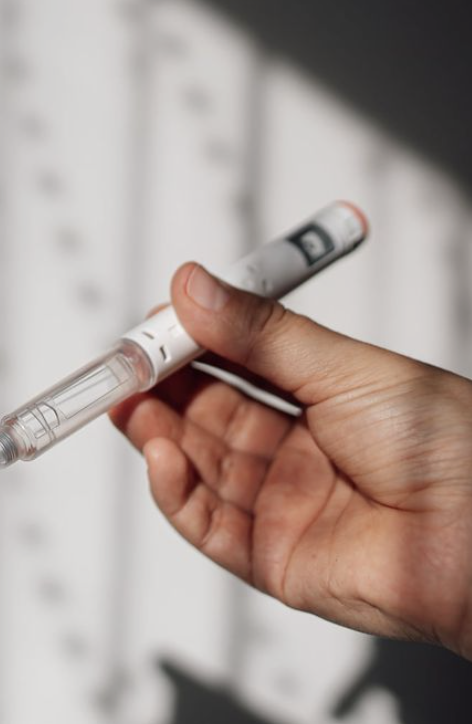

Medications like Ozempic® (semaglutide), Wegovy® (semaglutide), Mounjaro® (tirzepatide), and Zepbound® (tirzepatide) have transformed the treatment of obesity and type 2 diabetes. By helping people feel fuller for longer and reducing appetite, these medications can lead to substantial weight loss and improvements in blood sugar regulation.¹
For many women, GLP-1 medications can be life-changing. But rapid weight loss also brings new considerations, particularly when it comes to nutrition, muscle health, blood sugar management, and reproductive health.
Here’s what current research says, and how thoughtful nutrition can help support your body throughout treatment.
GLP-1 receptor agonists mimic glucagon-like peptide-1 (GLP-1), a naturally occurring hormone released after eating.
These medications help:
Tirzepatide also activates glucose-dependent insulinotropic polypeptide (GIP) receptors, which may contribute to even greater weight loss in some individuals.²
Because these medications influence appetite, digestion, and glucose metabolism, what you eat while taking them matters. Building a nutrient-dense diet can help support your nutritional needs while you work with your healthcare provider toward your treatment goals.
Because GLP-1 medications reduce appetite, many people naturally eat much less than they did before starting treatment.
While this helps promote weight loss, it can also make it harder to consume enough:
Some people may also experience nausea or early fullness, making balanced meals more challenging.
If larger meals feel uncomfortable, smaller meals eaten more frequently throughout the day may be easier to tolerate. Nutrient-dense snacks can also help you meet your needs without requiring a large portion at once. For example, Greek yogurt, cottage cheese, eggs, edamame, or a small protein-rich snack can provide valuable nutrition when your appetite is low.⁷
Focusing on nutrient-dense foods can help reduce the risk of nutritional gaps during weight loss.
Blood sugar health is another important part of the picture. In addition to a balanced diet, some nutrients and plant compounds—including chromium, cinnamon, berberine, and inositol—have been studied for their potential roles in glucose metabolism and insulin sensitivity. Evidence varies by ingredient and population, so supplements should complement, not replace, prescribed treatment or a nutrient-dense diet.⁸⁻¹⁰
Wellex formulas include thoughtfully selected nutrients and botanical ingredients designed to complement a healthy lifestyle and support metabolic wellness. If you’re taking a GLP-1 medication or another medication that affects blood sugar, talk with your healthcare provider before adding a supplement to your routine.
When people lose weight, they almost always lose a combination of fat mass and lean body mass, including muscle.
Clinical trials suggest that approximately 25–40% of weight lost during GLP-1 therapy may come from lean tissue, although this varies between individuals and depends on factors such as age, protein intake, and physical activity.³
Maintaining muscle is important because it supports:
Current evidence supports several strategies:
Getting enough protein can be especially challenging when GLP-1 medications significantly reduce your appetite. Instead of relying only on large meals, try spreading protein throughout the day and choosing small, protein-rich meals or snacks when your appetite is limited.
Simple options might include Greek yogurt, cottage cheese, eggs, tuna, tofu, edamame, a protein smoothie, or another convenient protein-rich snack that works for your dietary needs.
These small choices can add up, helping you meet your nutritional needs and giving your body the building blocks it needs to preserve muscle while losing fat.
For some women, yes.
Obesity and insulin resistance can contribute to irregular ovulation, particularly in women with polycystic ovary syndrome (PCOS). As weight loss and insulin sensitivity improve, menstrual cycles may become more regular and ovulation may return.⁴
Some women have even reported unexpected pregnancies after starting GLP-1 medications, sometimes referred to online as “Ozempic babies.“
While this nickname has gained attention on social media, the underlying explanation is likely improved fertility resulting from weight loss and metabolic improvements rather than a direct fertility-enhancing effect of the medication.⁴
This connection also highlights the broader importance of metabolic and blood sugar health for women. Nutrition, physical activity, sleep, and other lifestyle habits all play a role in supporting healthy glucose metabolism. Certain nutrients and botanical ingredients—including chromium, cinnamon, berberine, and inositol—have also been studied in relation to insulin sensitivity and metabolic health, although evidence and appropriate use vary.⁸⁻¹⁰
If you’re using Wellex products alongside a GLP-1 medication, especially if you take medication for diabetes or blood sugar management, review your full supplement routine with your healthcare provider. Some supplements may interact with medications or contribute to changes in blood glucose.
If pregnancy is not part of your plan, discuss contraception with your healthcare provider before and during treatment.
No.
Current clinical guidelines recommend discontinuing GLP-1 receptor agonists before pregnancy because there is insufficient evidence to establish their safety during pregnancy.⁵
If you are planning to conceive, speak with your healthcare provider about when to stop your medication and how to safely transition your treatment plan.
You should also review any vitamins, herbs, or dietary supplements you’re taking with your healthcare provider when planning a pregnancy, since not every ingredient is appropriate during pregnancy.
GLP-1 medications work best as part of a broader approach to health that includes good nutrition, movement, and ongoing medical care.
Consider focusing on:
Supplements can be one part of that broader routine when they’re appropriate for your individual needs. Wellex formulas can complement healthy eating and lifestyle habits by providing targeted nutrients and botanical ingredients that support overall metabolic wellness. They aren’t a substitute for GLP-1 medications, a balanced diet, or medical care.
Because some ingredients used in metabolic health supplements may affect blood glucose, always talk with your healthcare provider before combining supplements with GLP-1 medications, insulin, or other blood sugar-lowering medications.
These habits support healthy weight loss while helping preserve muscle, meet nutritional needs, and support overall wellbeing.
GLP-1 medications have transformed obesity treatment and offer significant health benefits for many women. However, successful treatment isn’t just about losing weight; it’s also about **preserving muscle, meeting nutritional needs, supporting metabolic health, and building habits that can serve you for the long term.**¹,⁶
If you’re taking a GLP-1 medication, focus on the fundamentals: eat enough protein, choose nutrient-dense foods, stay hydrated, incorporate resistance exercise, and work with your healthcare team to monitor your individual needs.
And when your appetite is low, remember that nutrition doesn’t have to come from large meals. Smaller meals, protein-rich snacks, and thoughtfully selected nutrients can go a long way toward helping you meet your needs consistently.
Wellex can be part of that supportive routine, alongside—not in place of—healthy nutrition and guidance from your healthcare team.


Photodynamic therapy is a treatment typically used in the treatment of acne, warts, and a range of cancers, including mouth (oral), head and neck, lung,

The HPV Infection: Do I Have It? But…I’ve never noticed any symptoms so I couldn’t have gotten an HPV infection? Most strains of HPV are low-risk strains that

Are you worried about HPV? Are you unclear as to what exactly HPV is? We at Papillex understand your concerns. HPV can be scary! That’s

Human beings are naturally programmed to eat foods that are healing and beneficial for our bodies. However, we all know that it isn’t always easy
Check out our shop to see what's available
Easy Delivery. Effortless Wellness.
Subscribe for:
By signing up for a Wellex subscription, you authorize use of the credit card you have on file and shipping at the frequency you have selected. Rest assured you can change or cancel at any time.