
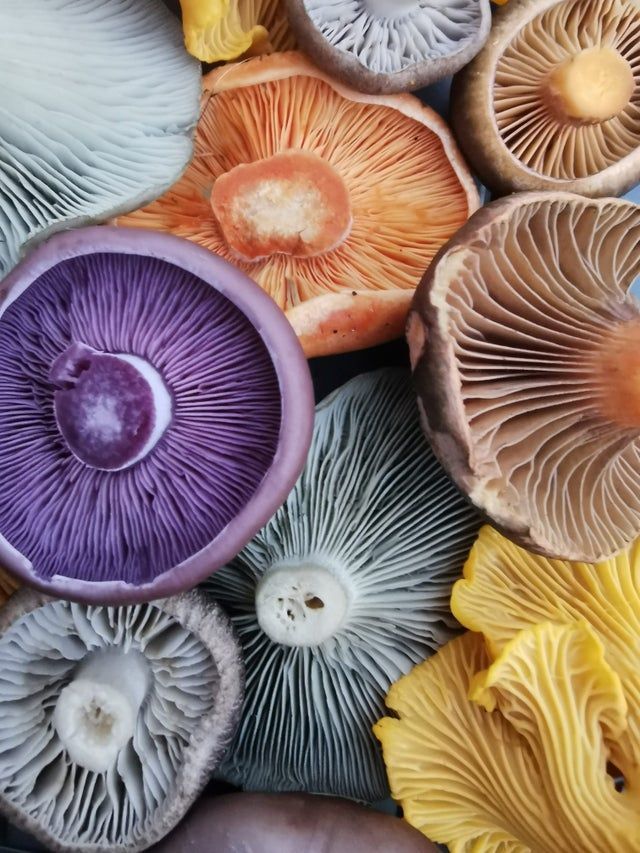

Interest in medicinal mushrooms has exploded in recent years. A quick search online reveals countless supplements claiming to support immune function, improve resilience, and promote overall wellness. Among the most popular are AHCC®, turkey tail, and reishi: three mushroom-derived ingredients that are often discussed together but work in very different ways.
If you’ve been researching immune support supplements, you’ve likely come across questions such as:
These are important questions because not all mushroom supplements have the same level of scientific evidence behind them. While many contain bioactive compounds that may help support immune function, the amount and quality of human clinical research varies considerably.
In this article, we’ll compare AHCC, turkey tail, and reishi by exploring how they’re made, how they work, what the current research says, and which supplement has the strongest evidence for immune health.
Among the three, AHCC currently has the strongest body of human clinical research supporting its role in immune health. Turkey tail and reishi have also demonstrated promising immune-supportive properties, particularly in laboratory, animal, and some human studies, but the quantity of well-designed clinical trials differs between these ingredients.¹⁻⁴
Importantly, these supplements are not interchangeable. Each contains different bioactive compounds, has unique mechanisms of action, and may be better suited to different health goals.
Understanding these differences can help you make a more informed decision when choosing an evidence-based immune support supplement.
What Are Medicinal Mushrooms?
Medicinal mushrooms have been used in traditional medicine for centuries, particularly throughout Asia, where they have been valued for their potential to support immune function, vitality, and overall health. Today, advances in analytical science have allowed researchers to identify many of the compounds responsible for these biological effects.⁵
Although commonly grouped together, medicinal mushrooms are not one ingredient. Instead, they represent a diverse collection of fungal species, each containing its own unique combination of naturally occurring compounds.
Some of the best-known medicinal mushrooms include:
Many medicinal mushrooms contain naturally occurring compounds such as:
Rather than stimulating the immune system indiscriminately, many medicinal mushrooms appear to act as immune modulators, meaning they help support healthy immune function by influencing communication between different immune cells.⁶
However, it’s important to recognize that the concentration and composition of these bioactive compounds can vary significantly between species, extraction methods, and commercial products. This is one reason why research findings from one mushroom cannot automatically be applied to another.
One ingredient that stands apart from traditional mushroom extracts is AHCC.
What Is AHCC?
AHCC® (Active Hexose Correlated Compound) is not a whole mushroom powder. Instead, it is a proprietary, standardized extract produced from the cultured mycelia: the root-like network of shiitake mushrooms (Lentinula edodes).¹
Unlike many medicinal mushroom supplements that primarily contain beta-glucans, AHCC undergoes a unique fermentation process that results in a high concentration of low-molecular-weight alpha-glucans, compounds that are believed to be more readily absorbed by the body.¹
This unique composition has made AHCC one of the most extensively researched mushroom-derived ingredients available today.
Researchers have investigated AHCC for its potential role in supporting several aspects of immune function, including:
Rather than acting as a stimulant to the immune system, AHCC appears to help support communication and coordination between different immune cells, allowing the body’s natural defence mechanisms to respond appropriately.²
AHCC has been evaluated in numerous human clinical studies examining immune health.
Research suggests that AHCC supplementation may help support the activity of several key components of the immune system, including natural killer cells and T lymphocytes, both of which play important roles in identifying and responding to viruses and other immune challenges.²,³
One area receiving considerable scientific attention is persistent human papillomavirus (HPV).
Several pilot studies and subsequent clinical trials have investigated AHCC as a nutritional intervention for women with persistent high-risk HPV infections. Early findings suggest AHCC supplementation may support immune function in a way that helps some individuals naturally clear persistent HPV, although larger studies are still ongoing and additional research is needed before definitive conclusions can be made.⁸⁻¹⁰
Beyond HPV, researchers have also explored AHCC in populations experiencing increased immune demands, including older adults and individuals undergoing certain medical treatments. Across these studies, AHCC has generally demonstrated a favourable safety profile and appears to support healthy immune function without overstimulating the immune system.²
It’s important to emphasize that AHCC is not a treatment or cure for viral infections or disease. Rather, current evidence suggests it may help support normal immune function as part of a comprehensive approach that includes adequate nutrition, sleep, stress management, regular physical activity, and appropriate medical care when needed.
Why AHCC Has Become a Focus of Clinical Research
Compared with many other mushroom supplements, AHCC has several characteristics that have made it attractive to researchers:
This doesn’t necessarily mean AHCC is the “best” mushroom supplement for everyone. Instead, it means that its evidence base is currently more robust than many other mushroom-derived ingredients, particularly when discussing immune health in humans.
Turkey tail (Trametes versicolor) is one of the most well-known medicinal mushrooms in the world. Named for its colourful, fan-shaped appearance that resembles the tail feathers of a wild turkey, it has been used in Traditional Chinese Medicine and Japanese herbal medicine for centuries to support overall health and vitality.¹¹
Today, turkey tail is best known for its naturally occurring beta-glucans, particularly two compounds called polysaccharide-K (PSK) and polysaccharopeptide (PSP). These compounds have been extensively studied for their ability to interact with the immune system.¹²
Unlike AHCC, which is produced from cultured shiitake mycelia using a proprietary fermentation process, turkey tail supplements are typically derived from the fruiting body or mycelium of the mushroom itself.
Researchers believe turkey tail works primarily by helping regulate immune activity through interactions with immune cells such as macrophages, dendritic cells, natural killer (NK) cells, and T lymphocytes.¹²,¹³ Rather than “boosting” immunity, turkey tail appears to help the immune system respond appropriately to challenges while supporting a balanced inflammatory response.
Turkey tail has been studied extensively in laboratory and animal models, with a growing body of human research supporting its role in immune health.
One of its best-known applications is as an adjunct therapy during cancer treatment, particularly in Japan, where PSK has been approved for use alongside conventional cancer therapies for certain cancers.¹⁴ It is important to note that these studies involve medically supervised treatment protocols and should not be interpreted to mean turkey tail treats or cures cancer.
Outside of oncology, researchers have investigated turkey tail for its potential to:
Emerging evidence also suggests that turkey tail’s beta-glucans may act as prebiotics, serving as a food source for beneficial gut bacteria. Because approximately 70% of the body’s immune cells are located within the gastrointestinal tract, supporting gut health may indirectly contribute to healthy immune function.¹⁶
While these findings are encouraging, much of the strongest clinical evidence for turkey tail comes from specific patient populations rather than healthy adults. More large-scale randomized controlled trials are needed to determine its long-term effects in the general population.
What Is Reishi?
Reishi (Ganoderma lucidum), sometimes referred to as the “mushroom of immortality,” has been used in traditional Eastern medicine for more than 2,000 years.¹⁷
Unlike AHCC and turkey tail, which are primarily discussed in relation to immune health, reishi is often associated with stress resilience, sleep quality, and overall wellness.
Reishi contains several biologically active compounds, including:
Researchers believe these compounds may help regulate immune activity while also influencing inflammatory pathways and oxidative stress.
Because chronic stress can negatively affect immune function, reishi has attracted attention for its potential ability to support both psychological well-being and immune resilience simultaneously.¹⁸
Although reishi has been studied for decades, the quality of evidence varies depending on the health outcome being investigated.
Human studies suggest reishi may help support:
Some studies have also observed changes in immune markers, including natural killer cell activity and cytokine production. However, many of these trials are relatively small, involve participants with specific medical conditions, or use different reishi preparations, making it difficult to compare results directly.¹⁹
Unlike AHCC, reishi has not been studied as extensively in large human clinical trials specifically evaluating immune function in healthy individuals.
That doesn’t mean reishi isn’t beneficial. Rather, it highlights an important distinction: traditional use and promising laboratory findings are not the same as strong clinical evidence from randomized controlled trials.
Although these supplements are often grouped together as “medicinal mushrooms,” they differ considerably in their composition, mechanisms of action, and level of scientific evidence.
| Feature | AHCC | Turkey Tail | Reishi |
| Source | Cultured shiitake mycelia extract | Trametes versicolor mushroom | Ganoderma lucidum mushroom |
| Primary Active Compounds | Alpha-glucans | Beta-glucans (PSK, PSP) | Beta-glucans, triterpenes |
| Primary Research Focus | Immune cell function, immune resilience, persistent HPV | Immune modulation, gut health, adjunct oncology research | Stress resilience, immune modulation, inflammation support |
| Human Clinical Evidence | Extensive | Moderate | Moderate |
| Traditional Use | Modern standardized ingredient | Extensive | Extensive |
| Best Known For | Supporting healthy immune function with a strong body of clinical research | Immune and gut health | Stress support and overall wellness |
All three supplements contain bioactive compounds that may help support immune health, but they are not interchangeable.
AHCC has been the subject of the largest body of human clinical research focused on immune function. Turkey tail has substantial research supporting immune modulation and gut health, particularly in clinical settings, while reishi is best known for its adaptogenic properties and its potential role in supporting stress resilience alongside immune health.
In the next section, we’ll compare AHCC vs. turkey tail and AHCC vs. reishi directly, exploring which supplement may be the better choice depending on your individual health goals.
AHCC and turkey tail are often compared because both are widely used to support immune health. While they share some similarities, they differ significantly in how they are produced, how they’ve been studied, and the amount of human clinical evidence available.
Both AHCC and turkey tail help support immune function, but they contain different bioactive compounds.
AHCC is rich in low-molecular-weight alpha-glucans, which are produced through a proprietary fermentation process using shiitake mushroom mycelia. Researchers believe these compounds help regulate communication between immune cells, including natural killer (NK) cells, dendritic cells, and T lymphocytes.¹⁻³
Turkey tail, on the other hand, contains naturally occurring beta-glucans, including PSK and PSP. These compounds have been shown to interact with immune cells through different signalling pathways and may also support gut health by acting as prebiotics.¹²,¹⁵
While both ingredients appear to support healthy immune function, they do so through different biological mechanisms.
This is where the largest difference becomes apparent.
AHCC has been evaluated in numerous human clinical studies examining immune function, immune resilience, and persistent high-risk HPV. Several randomized trials have demonstrated measurable changes in immune cell activity following supplementation.²,⁸⁻¹⁰
Turkey tail also has an impressive research history, but much of the strongest evidence comes from:
For healthy adults looking for an evidence-based immune support supplement, AHCC currently has a larger body of human clinical research specifically evaluating immune outcomes.
One area where turkey tail has a unique advantage is gut health.
Its beta-glucans and polysaccharides appear to act as prebiotics, helping nourish beneficial bacteria within the digestive tract.¹⁶
Because the gut and immune system are closely connected, maintaining a healthy microbiome may contribute to overall immune resilience.
AHCC has not been studied as extensively for microbiome support, making turkey tail an interesting option for individuals specifically looking to support digestive health alongside immune function.
The answer depends on your goals.
If your primary objective is choosing the ingredient with the strongest body of human clinical evidence for immune support, AHCC currently stands out.
If your focus is supporting both gut health and immune function, turkey tail may also be worth considering.
Rather than viewing these supplements as competitors, it may be more accurate to think of them as different tools with overlapping, but distinct, areas of research.
Although both AHCC and reishi are commonly included in immune support supplements, they serve somewhat different purposes.
AHCC research has largely focused on immune cell function, while reishi has traditionally been studied for its potential effects on stress, sleep, inflammation, and overall wellness.¹⁷,¹⁸
Both ingredients appear to influence immune activity, but the evidence differs.
AHCC has been investigated in multiple human clinical trials evaluating measurable changes in immune markers, including natural killer cell activity and T-cell responses.²,³
Reishi has also demonstrated immune-modulating effects in laboratory and human studies, but the overall quantity of high-quality clinical evidence remains smaller.¹⁸,¹⁹
One area where reishi stands apart is its potential role in supporting stress resilience.
Traditional use and early clinical research suggest reishi may help promote relaxation, reduce fatigue, and support healthy sleep, although additional well-designed studies are needed.¹⁸
Because chronic stress can negatively affect immune function, improving stress resilience may indirectly contribute to better overall immune health.
AHCC has not been studied extensively for stress or sleep outcomes.
When comparing the strength of evidence, it’s important to distinguish between:
All three types of research contribute valuable information, but randomized controlled trials generally provide the strongest level of evidence for determining whether a supplement works in people.
Currently, AHCC has the largest body of human clinical research specifically evaluating immune function. Turkey tail follows with a growing body of evidence, while reishi has promising but comparatively less robust clinical data for immune outcomes.¹⁻⁴
There isn’t a single “best” medicinal mushroom for everyone.
The right choice depends on your individual health goals, overall lifestyle, and the specific outcomes you’re hoping to support.
Here’s a simplified comparison:
It’s also worth noting that many comprehensive mushroom supplements combine multiple mushroom species. While this approach may offer broader exposure to different bioactive compounds, it can also make it difficult to determine which ingredient is responsible for any observed benefits. In addition, combination products often contain lower amounts of each individual mushroom than the doses evaluated in clinical studies.
For this reason, it’s helpful to look beyond marketing claims and consider whether the ingredients and doses used in a product align with those studied in human research.
For most healthy adults, medicinal mushroom supplements are generally considered to have a favourable safety profile when taken as directed. However, “natural” does not always mean risk-free, and it’s important to choose high-quality products and speak with your healthcare provider before starting any new supplement, especially if you have an underlying medical condition or take prescription medications.
Reported side effects are typically mild and may include:
Some medicinal mushrooms may also interact with medications, including:
If you are pregnant, breastfeeding, have an autoimmune condition, or are undergoing treatment for a medical condition, consult your healthcare provider before taking medicinal mushroom supplements.
Not all mushroom supplements are created equal.
Product quality can vary significantly depending on the mushroom species, extraction method, growing conditions, and manufacturing standards. One product may contain a concentrated extract standardized for bioactive compounds, while another may contain mostly starch or filler with very little active ingredient.¹⁶
When evaluating a supplement, consider the following:
Look for ingredients that have been standardized and evaluated in human clinical research. Standardization helps ensure consistency from batch to batch and allows the product to more closely match those used in published studies.
Choose products that clearly list:
Independent testing for identity, purity, and contaminants provides additional confidence in product quality.
Many products include proprietary blends without disclosing the amount of each ingredient. Whenever possible, choose supplements that provide doses similar to those evaluated in clinical research.
AHCC, turkey tail, and reishi are all fascinating ingredients with long histories of traditional use and growing scientific interest.
However, they should not be viewed as interchangeable.
Each contains different bioactive compounds, works through different biological mechanisms, and has been studied for different health outcomes.
Based on the current body of evidence:
Ultimately, the “best” supplement depends on your individual health goals.
No supplement replaces the foundations of a healthy immune system. Adequate sleep, regular physical activity, a nutrient-rich diet, stress management, and appropriate medical care remain the cornerstones of long-term immune health.
When used alongside these lifestyle habits, evidence-based supplements may provide additional support for some individuals.
AHCC currently has a larger body of human clinical research evaluating immune function. Turkey tail also has promising evidence, particularly for immune modulation and gut health, but much of its strongest research comes from oncology and laboratory settings.
Among commonly available medicinal mushroom supplements, AHCC is one of the most extensively studied in human clinical trials for immune health. Turkey tail and reishi also have growing research, but the quantity and quality of evidence varies depending on the health outcome being evaluated.
No. AHCC is a standardized extract produced from cultured shiitake mushroom mycelia, while turkey tail is an entirely different mushroom species (Trametes versicolor) that contains different bioactive compounds.
Research suggests reishi may help support healthy immune function while also providing antioxidant and stress-supportive properties. However, additional high-quality human studies are needed before firm conclusions can be made.
Some healthcare practitioners may recommend combination approaches depending on an individual’s health goals. However, there is currently limited clinical research evaluating the combined use of AHCC and turkey tail. Always consult your healthcare provider before combining supplements.
For individuals looking for an immune support supplement backed by human clinical research, AHCC is one of the most extensively studied options currently available. While results vary between individuals and more research is still needed for certain applications, the existing evidence is stronger than that available for many other mushroom-derived ingredients.²,³


Photodynamic therapy is a treatment typically used in the treatment of acne, warts, and a range of cancers, including mouth (oral), head and neck, lung,

The HPV Infection: Do I Have It? But…I’ve never noticed any symptoms so I couldn’t have gotten an HPV infection? Most strains of HPV are low-risk strains that
Are you worried about HPV? Are you unclear as to what exactly HPV is? We at Papillex understand your concerns. HPV can be scary! That’s
Human beings are naturally programmed to eat foods that are healing and beneficial for our bodies. However, we all know that it isn’t always easy
Check out our shop to see what's available
Easy Delivery. Effortless Wellness.
Subscribe for:
By signing up for a Wellex subscription, you authorize use of the credit card you have on file and shipping at the frequency you have selected. Rest assured you can change or cancel at any time.