
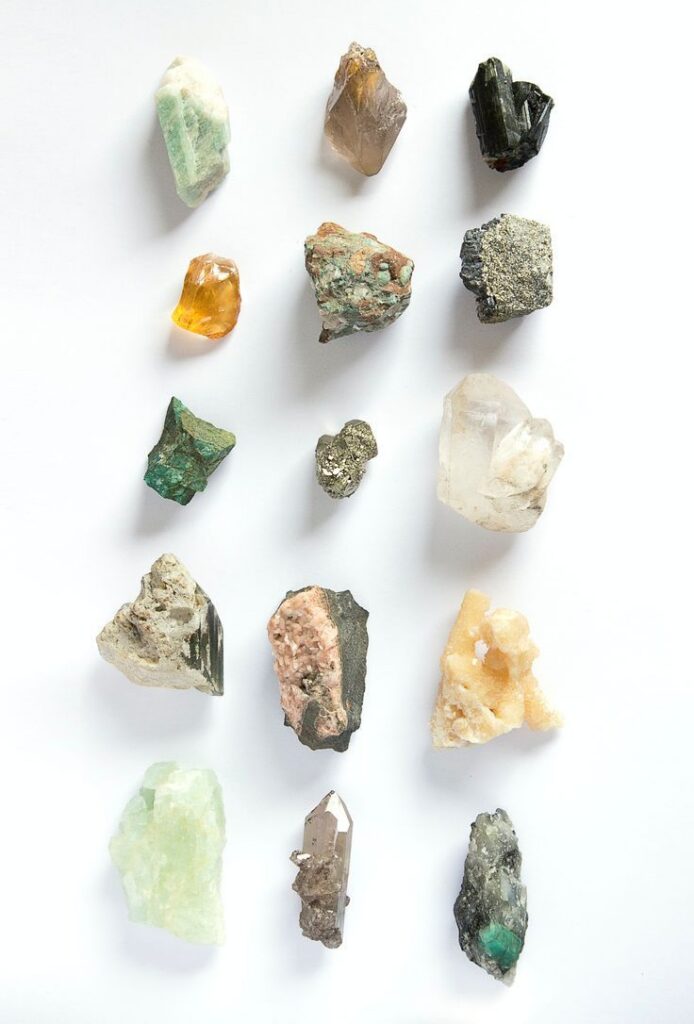

Fatigue that won’t go away. Frequent headaches. Muscle cramps. Hair shedding. Feeling cold all the time.
While these symptoms can have many causes, mineral deficiencies are often an overlooked piece of the puzzle.
Minerals are essential nutrients that support energy metabolism, thyroid function, immune health, nervous system function, bone health, and hormone production.¹
Research suggests that inadequate intake of key minerals remains common worldwide, with women disproportionately affected by deficiencies in iron, iodine, calcium, magnesium, zinc, selenium, and other micronutrients due to menstruation, pregnancy, dietary patterns, and increased physiological demands.²
From a naturopathic perspective, symptoms can sometimes reflect underlying nutritional imbalances. Mineral status is one foundational area worth evaluating when persistent symptoms arise.
A mineral deficiency occurs when the body does not receive, absorb, or utilize enough of a specific mineral to meet physiological needs.¹
Minerals participate in hundreds of enzymatic and biochemical processes throughout the body, influencing energy production, cellular signaling, immune function, hormone synthesis, oxygen transport, and bone metabolism.¹
Even mild deficiencies may contribute to symptoms before a deficiency progresses to a diagnosable condition.¹
Women’s nutrient needs shift throughout different life stages.
Menstrual blood loss increases iron requirements and is one of the leading contributors to iron deficiency among women of reproductive age.³
Pregnancy significantly increases the body’s requirements for iron, iodine, zinc, calcium, and other micronutrients needed to support maternal health and fetal development.⁴
Vegetarian, vegan, low-calorie, and highly restrictive eating patterns may increase the risk of inadequate intake of certain minerals if not appropriately planned.²
Digestive conditions that impair absorption, including celiac disease, inflammatory bowel disease, and chronic gastrointestinal disorders, may contribute to nutrient deficiencies.¹
Modern agricultural practices may influence the mineral content of some foods. Selenium content, for example, varies considerably depending on soil concentrations, which can affect dietary intake across different geographic regions.⁸
Iron deficiency is among the most common nutrient deficiencies globally and disproportionately affects women during their reproductive years.²,³
Common symptoms may include:³
Consuming vitamin C-rich foods alongside plant-based iron sources can improve non-heme iron absorption.⁵
Magnesium is a cofactor in more than 300 enzymatic reactions and plays important roles in energy metabolism, muscle contraction, nervous system function, and blood glucose regulation.⁶
Although severe magnesium deficiency is relatively uncommon, inadequate magnesium intake remains widespread in many populations.⁶
Magnesium insufficiency has been associated with:⁶
Iodine is required for the production of thyroid hormones, which regulate metabolism, growth, and neurological function.¹
Women are at greater risk of iodine insufficiency during pregnancy and reproductive years due to increased physiological demands.²,⁴
Symptoms associated with inadequate iodine status may include:¹
Both iodine deficiency and excessive iodine intake may negatively affect thyroid health, highlighting the importance of individualized assessment.¹
Zinc contributes to immune function, wound healing, reproductive health, DNA synthesis, and cellular growth.¹
Low zinc status may contribute to:¹
Phytates naturally found in legumes and grains may reduce zinc absorption, which can increase zinc requirements in some plant-based diets.¹
Calcium is essential for bone health, muscle contraction, nerve signaling, and cardiovascular function.⁷
Inadequate calcium intake remains a significant global public health concern.²
Calcium does not work in isolation.
Vitamin D helps increase calcium absorption from the digestive tract and supports bone mineralization.⁷
Magnesium plays a critical role in vitamin D activation and calcium regulation within the body.⁶˒⁷
Vitamin K2 helps direct calcium into bones and teeth while supporting healthy calcium distribution throughout the body.⁹
Optimal bone health depends on adequate intake and balance of all of these nutrients rather than calcium alone.⁷˒⁹
Selenium is a trace mineral that plays important roles in antioxidant defense, immune function, reproductive health, and thyroid hormone metabolism.⁸
Selenium is required for enzymes that help convert thyroxine (T4) into the more biologically active thyroid hormone triiodothyronine (T3), making it an important nutrient for thyroid health.⁸
Selenium intake can vary considerably depending on soil concentrations, and low-selenium regions may be associated with lower dietary intake.⁸
Low selenium status may contribute to:⁸
Brazil nuts are among the richest dietary sources of selenium, although selenium content can vary substantially depending on where they are grown.⁸
Yes.
Diet is only one factor influencing mineral status.
Additional factors include:¹
This is why individualized assessment is often more informative than focusing on dietary intake alone.
A varied diet rich in vegetables, legumes, seafood, quality proteins, nuts, seeds, and whole foods helps support adequate mineral intake.¹
Healthy digestion plays an important role in nutrient absorption and utilization.¹
Long-term restrictive dietary patterns may increase the risk of nutrient gaps if not carefully planned.²
Laboratory testing can help identify certain nutrient deficiencies and guide personalized interventions.¹
Supplements may be beneficial in specific situations, but they should complement rather than replace a nutrient-dense dietary foundation.¹


Photodynamic therapy is a treatment typically used in the treatment of acne, warts, and a range of cancers, including mouth (oral), head and neck, lung,

The HPV Infection: Do I Have It? But…I’ve never noticed any symptoms so I couldn’t have gotten an HPV infection? Most strains of HPV are low-risk strains that
Are you worried about HPV? Are you unclear as to what exactly HPV is? We at Papillex understand your concerns. HPV can be scary! That’s

Human beings are naturally programmed to eat foods that are healing and beneficial for our bodies. However, we all know that it isn’t always easy
Check out our shop to see what's available
Easy Delivery. Effortless Wellness.
Subscribe for:
By signing up for a Wellex subscription, you authorize use of the credit card you have on file and shipping at the frequency you have selected. Rest assured you can change or cancel at any time.