


If your libido feels high some weeks and nearly nonexistent others, you’re not alone – and nothing is wrong with you. Women’s sex drive is responsive, not constant. It shifts with hormones, physical comfort, stress levels, emotional closeness, sleep, and overall wellbeing. These changes aren’t a sign of dysfunction – they’re a reflection of your biology and lived experience.
This guide blends science with soft wellness to help you understand why women’s libido changes throughout life, and how certain health conditions may influence desire.
Hormones are one of the most influential factors in women’s libido.
Estrogen peaks around ovulation, which often increases libido, energy, and sexual response. Many women feel more confident, social, and connected during this window.
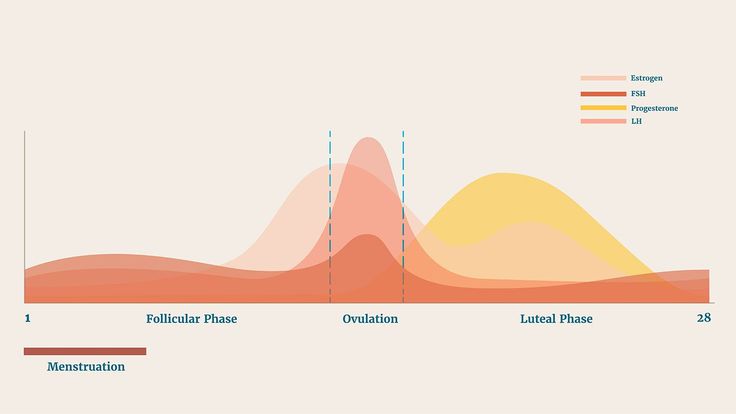
Once progesterone rises during the luteal phase, you may experience:
All of these can make sexual desire feel less accessible, even if nothing is “wrong.”
Puberty, postpartum shifts, hormonal birth control, and perimenopause also influence desire – often in ways women are never taught about.
Your libido is deeply connected to your nervous system.
When your brain perceives threat – deadlines, emotional stress, chronic illness flare-ups – cortisol rises, and the body enters fight-or-flight mode. In this state, sexual desire becomes a low priority because your body is trying to preserve energy and stay safe.
Stress can also worsen symptoms of chronic conditions (like pain or inflammation), which can further reduce desire. This does not reflect a lack of attraction or interest – it’s simply biology.
From a research standpoint, stress is one of the strongest predictors of low libido in women
(see NIH review: https://pubmed.ncbi.nlm.nih.gov/33222494/).
A relaxed pelvic floor is essential for comfortable arousal, lubrication, and orgasm.
But many women unknowingly hold tension in this area – especially after:
When the body anticipates pain, it activates protective mechanisms. The result?
Desire decreases – not due to lack of interest, but due to learned physical guarding.
Pelvic floor physiotherapy, gentle stretching, somatic practices, and pain-aware intimacy can make a meaningful difference.
If you’d like to learn more about how pelvic floor therapy can help, see our guide here.
Emotional safety is one of the strongest predictors of women’s libido.
Desire often decreases when women feel:
Women also commonly carry the emotional labor in relationships – remembering tasks, managing details, anticipating needs. Mental load has a direct impact on libido, and acknowledging it is key.
You’re not “low libido” – you’re human.
While libido naturally fluctuates, some women’s health conditions introduce additional factors that may influence desire.
PCOS is associated with hormonal irregularities, mood shifts, and insulin resistance – all of which can shape libido. Some women notice higher libido; others experience lower desire during symptom flares.
Endometriosis is associated with pelvic inflammation and pain, which may make sexual activity uncomfortable or unpredictable. Pain anticipation alone can reduce spontaneous desire. Learn more: newly diagnosed with endometriosis
Women with IC often experience urinary discomfort, urgency, or flares after intimacy – making libido feel conditioned by fear rather than desire.
Learn more: you are not alone navigating IC
HPV itself doesn’t reduce libido physiologically, but anxiety, stigma, or confusion after diagnosis can impact mood, comfort, and desire.
Learn more: navigating HPV with a partner
HSV flare-ups can involve pain, inflammation, or fear of transmitting the virus – all of which can influence libido.
Learn more: reducing shame around HSV
These conditions don’t define your desire – they simply interact with your body’s natural rhythms.
Learn more about pain or discomfort during intimacy
“Normal” does not exist.
Libido varies with:
Your desire isn’t a test you pass or fail. It’s a biopsychosocial signal – a reflection of your body’s priorities and your environment.
Supporting libido often means supporting the conditions that allow desire to arise.
For women navigating hormonal fluctuations – including PCOS, postpartum shifts, or perimenopause – lifestyle and nutritional support may help balance energy, inflammation, and wellbeing.
Some women explore nutritional support tailored to their unique experience:
These aren’t libido supplements – they are context support supplements, helping reduce the barriers that influence desire.
Women’s libido isn’t a fixed setting – it’s a living, responsive part of overall health. When you understand the hormonal, neurological, emotional, and physical factors behind libido changes, it becomes easier to meet yourself with curiosity instead of criticism.
Desire grows where safety, comfort, and connection thrive – and you deserve all three.


Photodynamic therapy is a treatment typically used in the treatment of acne, warts, and a range of cancers, including mouth (oral), head and neck, lung,

The HPV Infection: Do I Have It? But…I’ve never noticed any symptoms so I couldn’t have gotten an HPV infection? Most strains of HPV are low-risk strains that
Are you worried about HPV? Are you unclear as to what exactly HPV is? We at Papillex understand your concerns. HPV can be scary! That’s
Human beings are naturally programmed to eat foods that are healing and beneficial for our bodies. However, we all know that it isn’t always easy
Check out our shop to see what's available
Easy Delivery. Effortless Wellness.
Subscribe for:
By signing up for a Wellex subscription, you authorize use of the credit card you have on file and shipping at the frequency you have selected. Rest assured you can change or cancel at any time.